






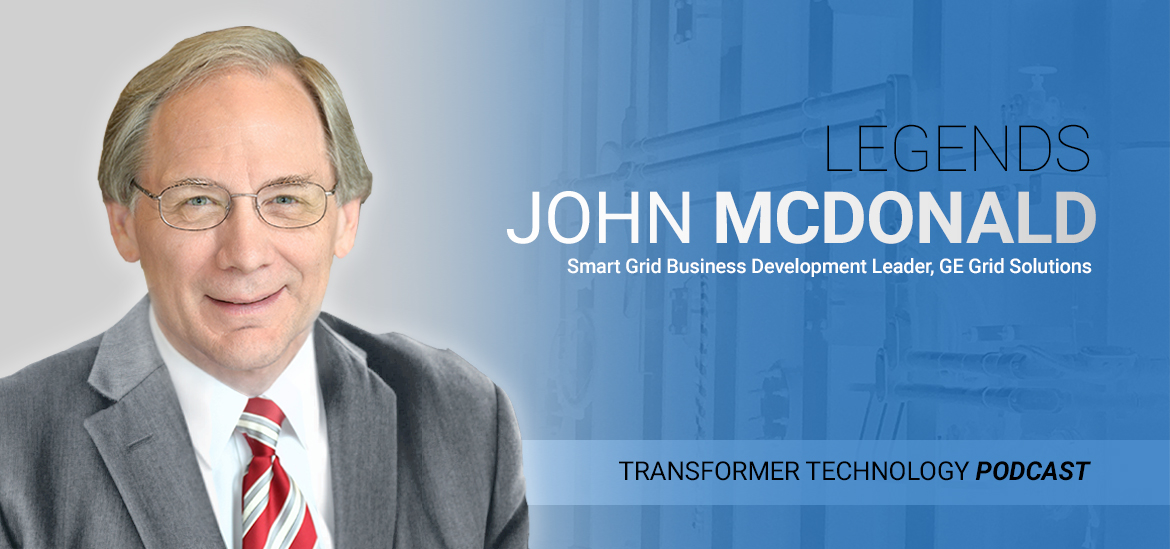


Interview with JASON NEAL
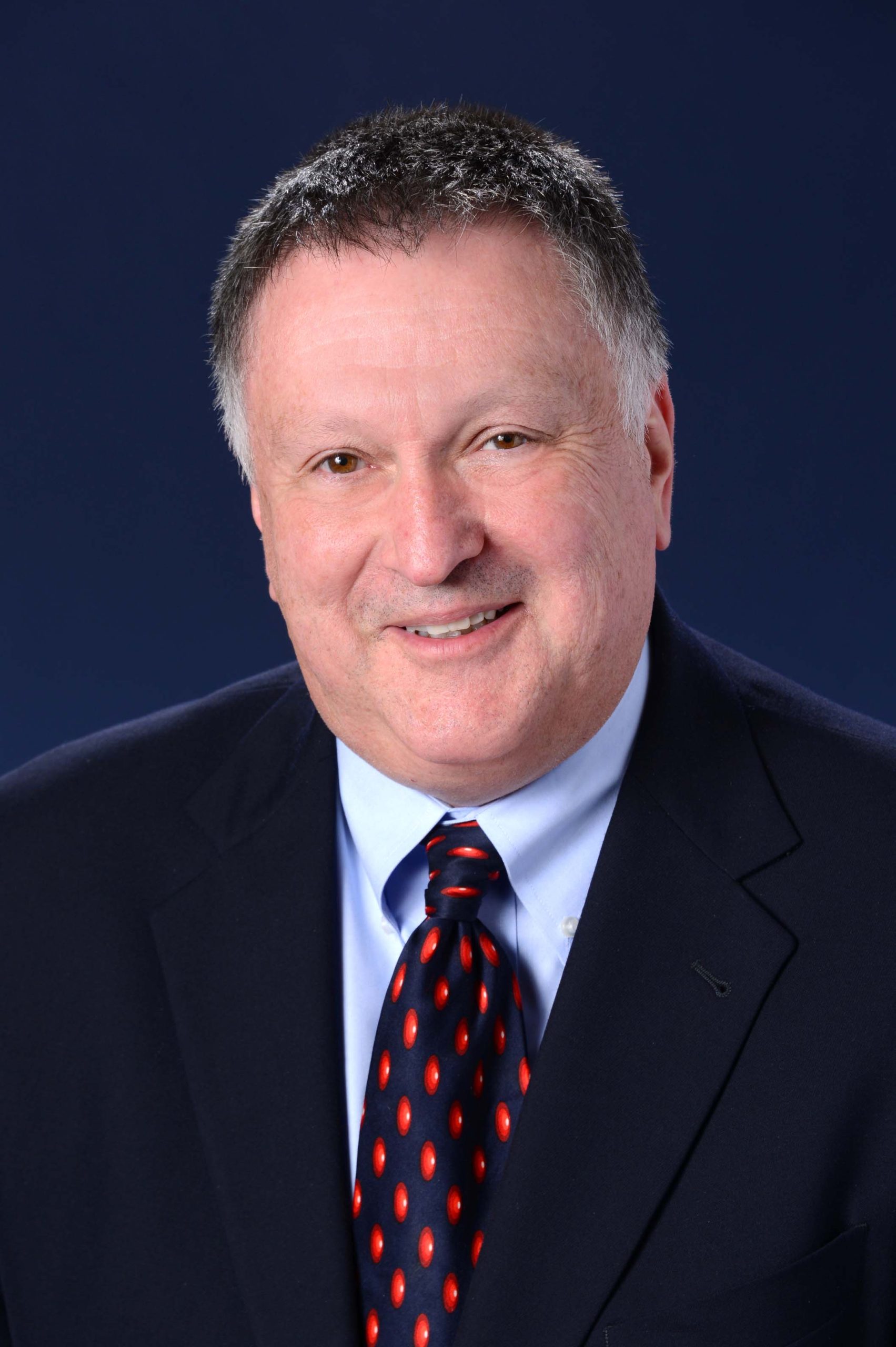
Senior Executive Vice President, HICO America Sustainability is important to our company, to the industry, and the world. The growth of renewable energy and renewable sources of generation, like wind and solar, is extremely important; to the growth of electric vehicles and the infrastructure to support them, that’s important as well. It means great opportunity, but also great challenges. Alan Ross
I’m Alan Ross. I’m the Managing Editor of Power Systems Technology and Transformer Technology. My guest today is Jason Neal. Jason, what are your titles at HICO?
Jason Neal
President of Hyosung HICO and Senior Executive Vice President of HICO America.
AR
Tell me about your background, your career, and your trajectory.
JN
I’m an electrical engineer by education. I worked with a few other companies in the industry and had the great fortune of joining HICO when we started our business here in the US in September of 2001. I’ve been here ever since in different roles.
AR
Let’s talk about one of the things you and I had a conversation about before – sustainability of power systems. Describe what that means when you say sustainability of power systems.
JN
Sustainability is important to our company, it’s important to the industry and the world. The growth of renewable energy and renewable sources of generation, like wind and solar, is extremely important; to the growth of electric vehicles and the infrastructure to support them, that’s important as well. It means a great opportunity, but also great challenges. Utilities and the market are facing unprecedented challenges. Renewable energy is excellent, but to incorporate those resources we have to balance the power system, frequency issues, voltage issues, developing solutions around that; suppliers need to be attentive to the market and the industry needs to bring solutions that can enable more wind, more solar to be installed here in the States.
AR
The word “sustainable” typically means we are using products or doing something which helps save the Earth. When you talk about sustainability of power systems, you’re really talking about sustainability of the power grid for our economy, right?
JN
Yes. Sustainable energy sources, resiliency of the grid itself and the solutions that are to support the incorporation of any generation source, be that something that’s renewable or sustainable or generation sources that are here already in the market. It’s more than just green energy. It’s a resilient, stable power grid with stable supply bases, stable sources of generation as well.
AR
We have a situation that whether it’s the hot summer or the cold winter, ERCOT, the Texas grid, is tending to have problems that they never had before. We’re in a situation where there is extreme heat. Everybody’s running air conditioning. In fact, you couldn’t live in Houston if there was no air conditioning. So the idea is that power is so critical and important. Then we tell everybody it’s not just power utilities anymore. You now have to worry about green energy. Talk a little bit about your idea of how green energy, storage, wind, and solar all plays into this resiliency of the grid, especially when it comes to battery storage.
JN
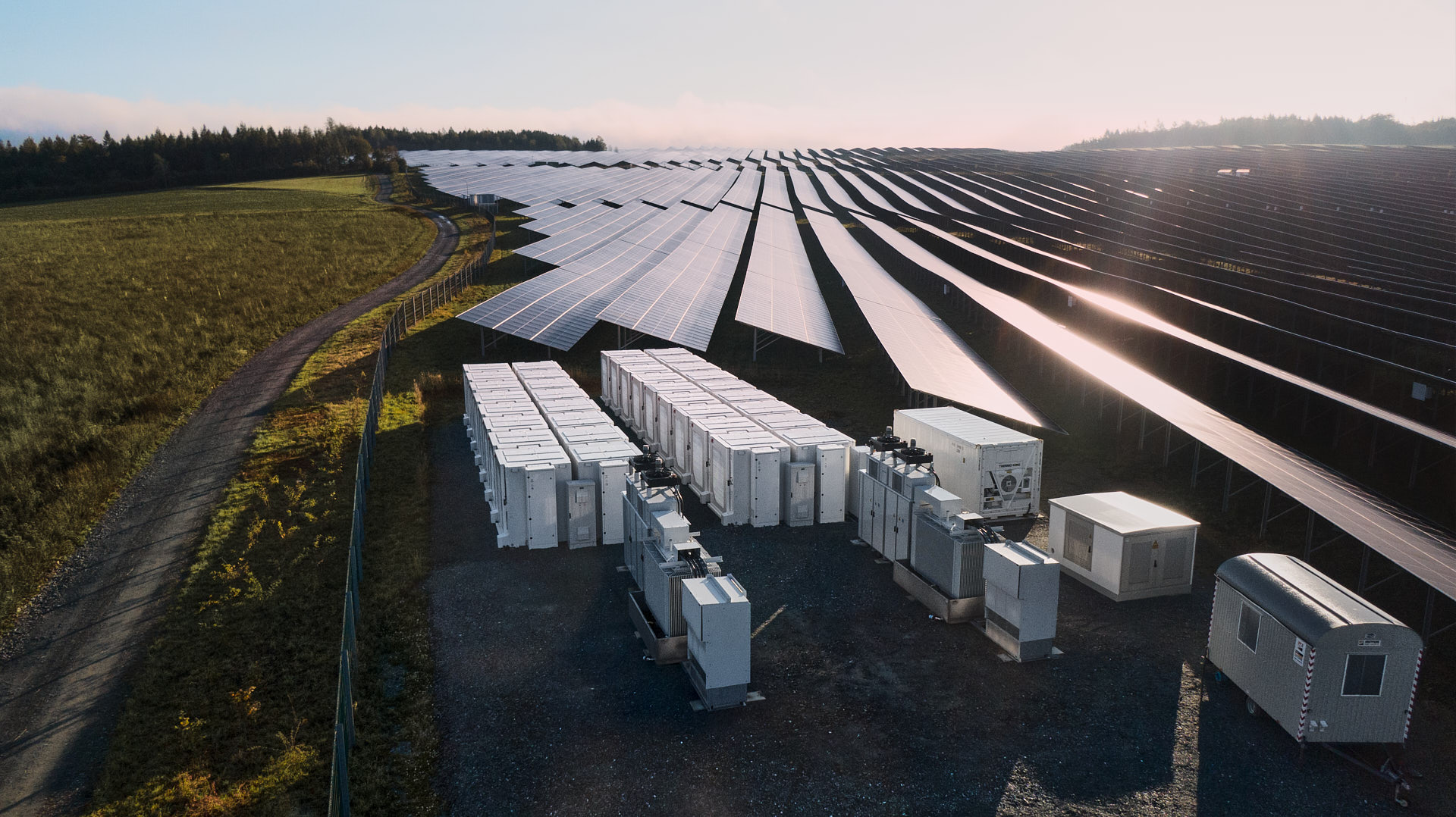
There’s a lot of applications for battery storage, certainly the classic use-case of integrating renewable sources of energy, like wind and solar. That’s a great opportunity. There are challenges with that in and of itself. You can’t be focused on just one technology. That battery choice is important; looking ahead to new battery technologies like flow batteries, long duration batteries, certainly there are challenges there. Even selection of things like inverters – either inverters that could be grid- following, or inverters that could be grid-forming, and having islanding capabilities. The classic application for storage is really aligned with green energy, but there are other applications as well. You can think about battery storage as having the potential to bring stability to the power system. All the inverter-based generation, STATCOM, synchronous condensers, they all have a place, but so does battery storage. It’s selecting that inverter that’s quick responding to being called upon and injecting that power, that can be a way to regulate frequency. Photo Credit: HICO America AR
California has a lot of solar and wind, but the inverter-based system is aging the distribution transformers much faster than they had planned for. Because we’re in a stepdown world, suddenly we’re step everywhere. Talk a little bit about that, because you mentioned inverters, but what does that do to the sustainability of the existing grid?
JN
Whether it’s these distribution transformers that are directly connected, or transformers that are elsewhere on the system the system, the new harmonics that are on the system and the need to consider equipment that may not have been designed for that; it’s not just that installation itself, it’s the transmission system. It’s the impact on the transmission system and it’s the distribution of that power to the end user and all the equipment that’s down the line that has to be considered, including, as you say, distribution transformers. As well as all these solutions are coming about with STATCOMs and synchronous condensers to balance that out.
AR
With 22 years under your belt, it is a good time to be where you are because you know what great change brings? Opportunity. Everything you’ve described is all a lot going on, but it’s all opportunity. One of the things that’s changing that I want to talk a little bit about, what’s going on in your mind with how are we replacing SF6, both from the standpoint of the gas itself and the standpoint of the equipment? How are we handling that change or how is your company handling it?
JN
There’s a lot of ways to look at it. First is looking at the existing SF6 equipment that’s being delivered now and managing the emission of SF6, reducing the leak rates of this equipment. If it’s the IEEE standard being changed at 0.5 % per year to a utility specifying 0.1 % per year, suppliers have to step up to address that. But it’s also, as you said, developing new technology using non-SF6 solutions. So if it’s things like we’re doing with our medium voltage gear, being the first company to market with a zero global warming potential gas for our medium voltage gear to the installed base that we have with our non SF6 high voltage GIS, it’s a combination. We saw with state of New York, I think it was last month, following what’s going on in California and Massachusetts on these requirements for eliminating SF6. And it’s managing the emissions, it’s pushing the development of new technology and non-SF6 technology, and making sure to address cases where there may not be technology available and how to handle that. But it’s a very important development.
AR
Another change that’s coming that’s going to bring opportunity for those people that can adapt. It’s driving some of the utilities nuts, but guess what? That’s what we’re supposed to – drive them to the new solutions. Right now, we have a shortage of transformers. It doesn’t matter what class of transformer you’re trying to get. It’s hard to do it. Then you have the government saying they want to go to amorphous steel and get away from grain oriented steel. However, we’ve got 25 % tariffs on grain. We’re doing everything that we can to make it harder to make transformers. And yet we have a transformer shortage. What’s your experience with that right now?
JN
Looking at it long term, demand is far exceeding supply. All these things we’ve spoken about, the growth of renewables, the growth and the infrastructure development to incorporate EVs, big data. Utilities are facing challenges like never before, unprecedented. As a supplier, there’s a few things that the companies could be doing. One is definitely attacking the supply chain. Since COVID, since the war in Ukraine, there’s been certainly more of a focus and more visibility in the supply chain, onshoring suppliers, near-shoring suppliers, and making sure the relationships with suppliers are strong, because now is the time where suppliers have to step up and perform. I think it’s attracting talent to our industry, training people and retaining them so we can build more. Now we are the cool industry. I think the industry is doing a solid job of selling the future of power. You look at all the developments that are going on right now with EVs, with new battery technologies, with hydrogen, power electronics, statcoms, HVDC. We’re the cool industry to work for. We need to keep selling that to attract people so that we could do more as suppliers. The classic application for storage is really aligned with green energy, but there are other applications as well. You can think about battery storage as having the potential to bring stability to the power system. AR
We had a meeting this morning talking about an issue that we’re going to be doing, our issue on women in power systems. Now you’re getting more and more women. There are more women in EE programs in the United States than ever before, which is great. That’s beyond STEM, right? I think it’s because we’re the cool industry. I’m going to get a T-shirt that says now I’m cool.
JN
Listen, there’s great opportunity. My father worked for a local utility here for 38 years. When I came out of school, I’ll be honest, the last thing I wanted to do was get into utilities. It wasn’t the exciting industry at the time right? Back then it was semiconductors. It was process control. But if you look at it and the folks that we’re bringing on board and why they’re staying, it’s exciting. It’s a great time for the industry.
AR
Let’s talk now specifically about HICO America and Hyosung. In the marketplace, people say, it’s the big three, big four. It’s GE Vernova, Siemens, Hitachi, which was Hitachi, and then ABB, now it’s Hitachi ABB. From the mindset standpoint, HICO Hyosung, and especially HICO Americas, you’re not a new entrant into the market, but you’re a large entrant into the market. Talk a little bit about where you see the future for HICO America. What’s your go to market strategy?
JN
We’ve been here, like I mentioned, since September of ’01. Our initial focus was power transformers. As a company, if you look at Hyosung as a whole, sustainability and green energy offerings are important, but so is onshoring production. On the transformer side of our business, establishing that factory in Memphis was a dream for me, for all of us that have been with HICO for a long time. We are increasing our ability to ramp up Memphis to address the new demand from the market, which is far exceeding supply. But the other lines of our business are growing just as quickly. We are offering STATCOM, Battery Storage, HV and MV GIS as well as services around these solutions. So no longer are we just building a high-voltage or a medium-voltage gas insulated switchgear and substations. We’re also expanding our business to be able to serve and maintain that substation for 5, 10, 15 plus years.
AR
The Department of Labor estimates that every year between 2020 and 2030, we’re going to lose 5 % of the current labor force. Plus, we’re going to need 13 % more than we currently have. So you have a net negative of 18 % a year annualized. I want to talk about your philosophy for how do you recruit, train, promote, and inspire those people that are out in the field doing the kinds of maintenance, the kinds of work that you need them to do.
JN
A big part is the training. There’s a lot of experience here in the market. There’s a lot of great folks working with suppliers and customers all across the market. They need to impart that wisdom and experience. We’ve built a nice blend of folks that have been in this industry with experience, folks that have come from other industries. When you’re maintaining some of these installations, the HVAC and pumps and coolers are just as important as the equipment itself. So that blend of people with experience in those areas is important. Then, bringing that next generation of maintenance persons, technicians, or engineers on board to learn from those folks, to get hands on experience side by side, and then to continue to grow how they work here and become the next generation of trainers, so to speak.
AR
The other thing that you mentioned was, for any of your customers, you can either componentize, you can sell them a transformer, install a transformer, you can work with their GIS system, all that, or you can do it all, it seems like, which is a concept that I think a lot of, especially the smaller utilities are looking for. Is that the strategy that you’re trying to present to them?
JN
It is. It’s important to adapt to what solution the customer needs. If it’s a component- based project or product-based project, or if it’s a full turnkey, soup-to-nuts, plus maintaining it for future years. And there are large utilities, large developers as well as smaller companies that need that service. But it’s really being attentive and being able to adapt. But that really is the industry. I think that’s where the growth is. And certainly for HICO, that’s where our growth is as well. Having that flexibility, listening to the voice of the customer always will be our guide and lead us into the right aspects of the market.
AR
Back in the 1980s and 90s, we use the word full solution, whereas Solutions Company, everybody put on their website Solutions Company, meaning the customer would come to us and whatever they needed, we would provide them with the solution. But a complex solution requires complex thinking. It requires a different level of consultative engineering doing. My assumption is that you’ve built that and are continuing to build that, which is different than the installation and maintenance people. This is now the brainiacs that are saying, this is what you need, Mr. Utility, for the future. Is that a fair statement?
JN
Very fair. And you need that feedback loop as well. So the folks that are working on these projects in a certain application, getting that feedback to our R&D folks. We’re continuing to develop the solutions that the market needs. Therefore, adaptability and the flexibility to tailor what we’re doing to the customer is important. But that feedback loop of the experience from that project, leading to the next generation of batteries or statcom valves, non SF6 gas technology is also another aspect of this.
AR
I’m glad that you’ve got the Memphis facility. I live in Atlanta, so we’re about five hours apart and I want to come and visit you. I was there when that facility first really came online years ago. Congratulations because you bought that facility from somebody, right?
JN
We did. Initially, we announced, it’s probably five years ago now, that we would build a new transformer facility in the US, then the facility in Memphis became available. And it’s a beautiful facility. Great equipment, great people that were there. And it’s been a great success story for us from the beginning. We opened Valentine’s Day at 2020 and shipped our first transformer in June of that year, despite COVID and all the other challenges. We hit the ground running and we haven’t stopped since. Photo Credit: HICO America AR
There’s a lot of change going on and some of it negative. I mean, we’ve got a lot of pushback from people that are saying, hey, you’re moving too fast.Wind and solar cannot sustain this, we don’t have a sustainable EV market. These problems can be insurmountable if you look at them in the macro. When you look at them, what do you see?
JN
It’s really an opportunity. Our utility partners need time to focus and be forward thinking on these. Now more than ever, suppliers have to perform well. A utility should not be worrying about how supplier X, Y, or Z is going to be performing on a specific project. We’re responsible to make sure we’re performing well so utilities can continue to be more forward-thinking. But that partnership between the utility and the supplier, with our tier one and tier two suppliers to make sure not only are we performing, but we’re developing the technologies, we’re responsibly ramping up production to support the demand, to support the utilities and developers and all these challenges they’re facing is more important now than ever. Share this article
Resilient Power Systems, Green Energy and Industry Innovation

Popular Categories
Trending Now

Transformer Testing – a Pathway to Better Resiliency
Transforming the Power Grid: Challenges and Collaborative Solutions for the Future
Interview with Randy Williams, Development Manager with North American Substation Services (NASS)
Driving Innovation in Transformer Oil Treatment

Inspire, Encourage and Advocate: The Women Behind WPS