







FEATURE INTERVIEW
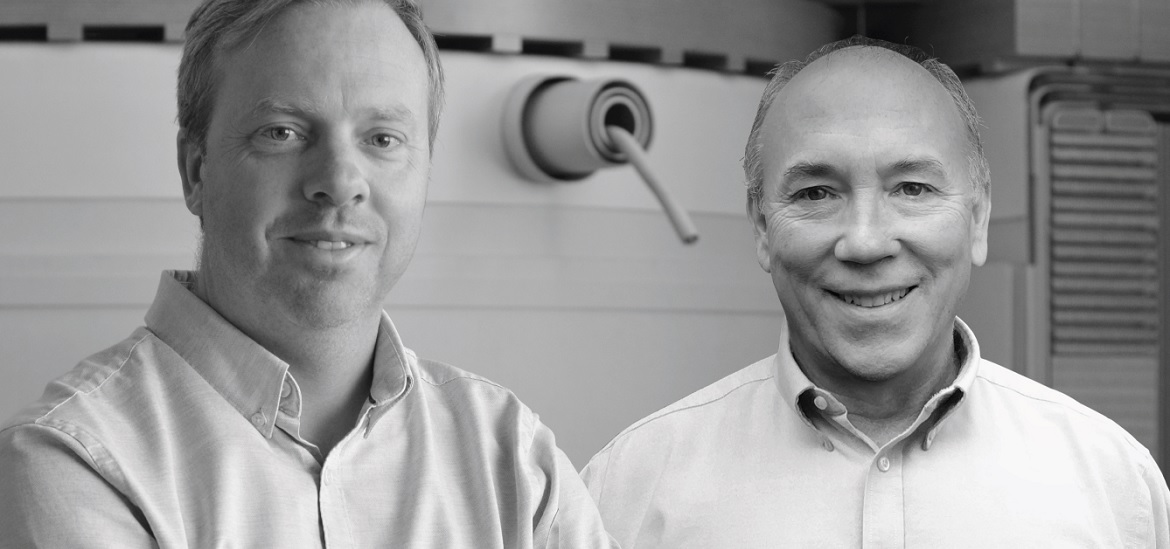
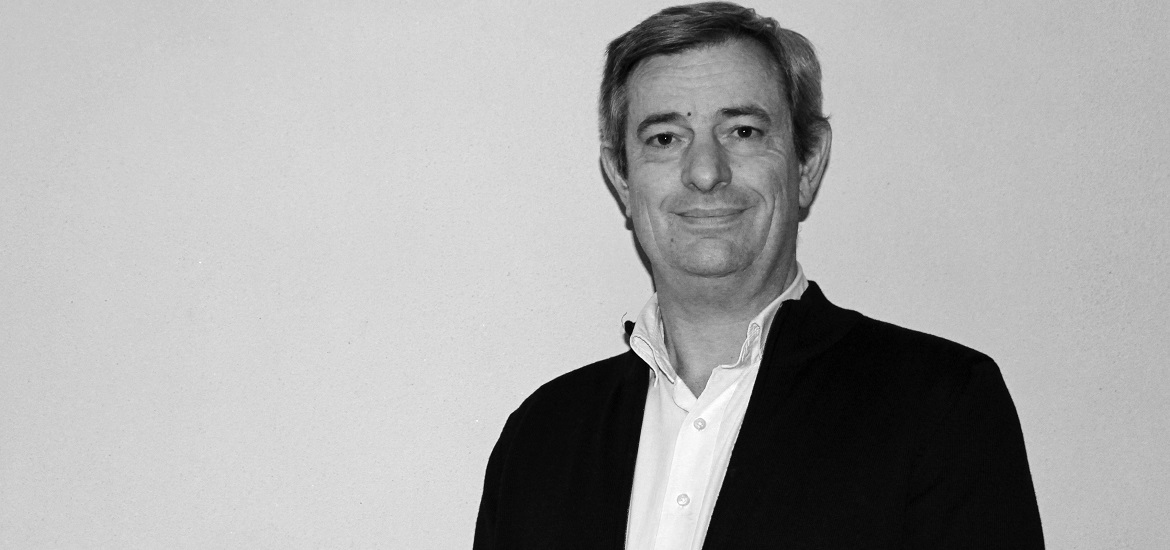
Interview with JOHAN FOURNEL
To watch the full interview click HERE
To translate my vision for the future, I would like to take the opportunity to talk about this new filter that we have recently put on the market. These are 15-liters per-minute.
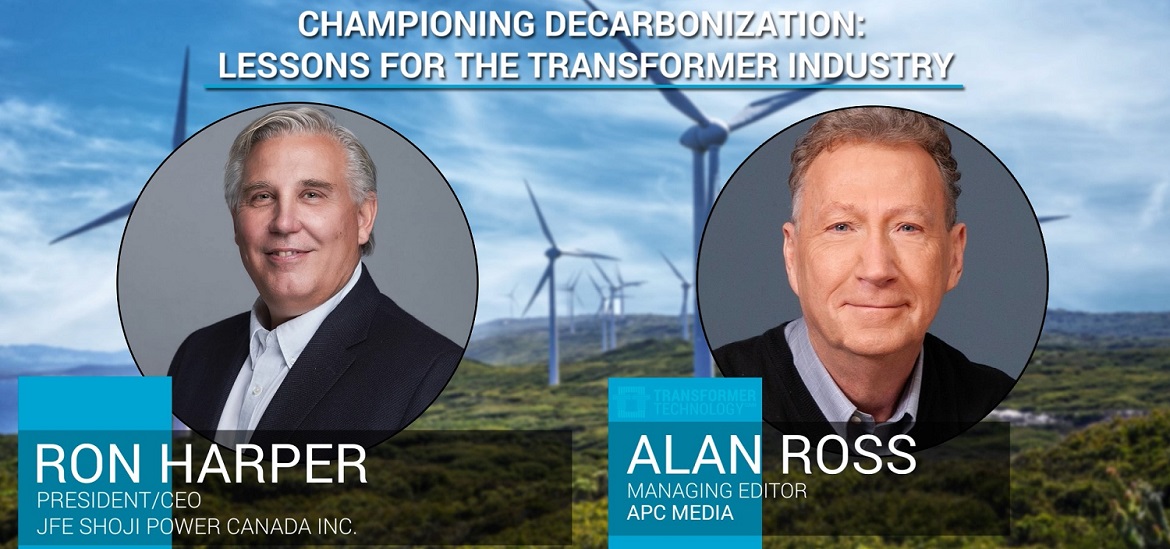
Alan Ross
My guest today is Johan Fournel. He is the CEO of GMT International and Akhelec. And we’re going to talk about both companies. Johan, thank you for joining us.
Johan Fournel
My pleasure Alan.
AR
You’ve been the CEO of GMT International for three or four years now, correct?
JF
Well, I’ve been working for GMT International for the past twelve years. CEO, now for three and a half years. GMT international and its subsidiary AKHELEC are specialized in environmental protection of oil immersed electrical transformers such as metallic spill containment berms/retention bunds. Natural dielectric fire extinction devices, and oil rainwater filtration systems.
AR
Tell me a little bit about your background and what got you into the transformer industry. How did you get involved in it, and what is your educational and work background?
JF
My education is in chemical engineering. I started my career working for an oil company called British Petroleum, and then I switched to a service company, which is still in the oil business. I worked for ABB, but not in the electrical divisions, only in the petroleum division. I then had a good opportunity to move to automotive. In the beginning, I was optimizing fuel production at BP and ABB, and then I moved to the automotive industry to use the fuel, and somehow, I ended up in the electrical business.
AR
Let’s now talk about GMT International. GMT International is primarily in France and Akhelec is in the rest of Europe and the rest of the world. We don’t have anything happening in the United States. We need to encourage you to come to North America and Canada but we’ll talk about that at the end of the interview. Tell me about the two companies.
JF
In the beginning, we only had GMT and that was in France. We started this company back in 1995, and a few years later the previous CEO decided to send someone to Spain to study the potential opportunities there. They then decided to launch a new company based in Spain in 2005 and this company was called Akhelec. After this, we started to develop the export business outside of France and outside of Spain. We first started working with Great Britain, Belgium, Italy, Switzerland, and then started doing overseas business. As you said, we are not doing anything in the US yet, but we have exported. We have been exporting materials to Latin America, to Asia, Australia, and New Zealand.
AR
Are you selling mostly to the OEMs? For instance, are they taking care of that part of the installation process or are you selling to the final end customer?
JF
I would say half and half. I mean, half of our business is done directly with the utilities, the end user, and about 50% is done through OEMs or Integrators or EPC, even EPC contractors.
AR
I’ve been in the power industry for the last 15 years and honestly, I had never heard of a bund before. I’ve heard of different containment systems, but not a bund.
JF
Maybe you don’t call it the same way I assume you call it spill containment berms in the US.
AR
Yes, that is exactly what we call them. However, when I figured out what a bund was, I thought, oh, it’s a very high quality, and very unique. Tell me then what makes the bunds that you provide different than what we normally use which is a ?
JF
Traditionally most of the end users use concrete berms. This is what has been done for the past 50 years. Now we have come up with a different solution which is metal. It is a hot-galvanized steel berm with different advantages or disadvantages compared to concrete berms. Thanks to the metal berms, we minimize the onsite work, we deliver the bund and we can install a very large bund, around 70 m² or even larger within one- or two-days max. If you build it in concrete, it will take weeks. It takes three or four weeks just for it to dry. So, it’s quite a lot of time that can be saved thanks to the steel bund. New FILTRELEC® F15 filter is more economical, more robust and environmentally
friendly. AR
There is another issue with that. Concrete that is not allowed to cure creates all kinds of problems. Like when you put the weight of a transformer, an oil-filled transformer on top of concrete, if the ground hasn’t been prepared, if the concrete hasn’t been allowed to dry and cure properly, guess what happens? You put the weight on it, and the concrete cracks. So now that I know that there’s a solution, well done!
JF
It’s a rapid solution on-site. I think the quicker you go on-site, the less risk of accidents or personal injuries you have.
AR
You have a filtering system that you’re introducing. Tell me a little bit about that.
JF
Yes, so as you know, berms are installed underneath transformers. Whenever transformers are installed outdoors, the rainwater picks up traces of oil present on the transformer itself and collects in the berm. In order for the berm not to flood and overflow, you need to purify the water before draining it. If you use a safety syphon, your berm will remain full of water. That’s something maintenance operators don’t really like. When you work on a power transformer with cubic meters of water underneath it, it’s not really safe. Also, the electrical standout across Europe and the US as a matter of fact requires you to have the berm as empty as possible in order to have space in case there is a huge sudden oil leak. And if such a massive oil leak does occur, you need to recover 100% of the oil inside the berm. For that to happen there needs to be as little water as possible in the berm. This is why few years back we developed a filtration system based on absorbing polymers.
These are oleophilic polymers that don’t like water at all. So, molecules of hydrocarbon are trapped in the polymer, whereas water can flow through it freely. This is basically how it works.
AR
Your chemical engineering background just showed itself here, Johan. So, there is a problem with water but there’s also a problem with contamination. I think all governments are getting very restrictive because any kind of leak, any kind of oil spill is a contaminant. You said the filtration system helps with that. Explain that a little bit more for me.
JF
Yes, what you just mentioned, Alan, is called the Clean Water Act in most countries. Each time you release rainwater or processed water into nature, you must first make sure that you’re not going to pollute anything. Therefore, you need to make sure that the water does not contain hydrocarbons.
It is as follows, in certain areas, the maximum hydrocarbon content in the released water has to be lower than ten milligrams of hydrocarbon per liter of water. And in other areas or specific countries, the hydrocarbon campaign has to be less than five milligrams per liter. This is a standard. Those five milligrams per liter is the standard we follow. Now, we have developed this filtration unit based on this standard. So, we usually release the water directly into the substation gravels, or we have lots of projects with hydraulic plants, and we drain the filtered water directly to the river, making sure that it contains less than five milligrams of hydrocarbon per liter of water.
AR
Today society is very concerned about pollutants getting into the water. So, when you talk about a five milligram per liter of release, I can’t fathom what scale that is, because if you tell some people, hey, there is any number of hydrocarbons floating into the river, they’re going to get upset. Now you are following a stricter standard than what is required in North America.
JF
I think California has five milligrams per liter.
AR
California leads the way in prevention and assumes everybody will move that way.
JF
But to answer your earlier question about what that means: Five milligrams per liter is maybe a 10th of a drop of oil in a liter of water.
AR
All right. That’s a scale that I can understand. Johan when we were prepping for this interview there was a word that came up. It’s hydrophobic. Explain what hydrophobic means, please.
JF
Hydrophobic means that the product doesn’t like water at all and does not react with water at all. So, there is no reaction at all between the absorbing media and the rainwater. AR
Talk about the range of the rainwater filtration systems you’ve got.
JF
We have different filters. The smallest one is five liters per minute water flow rate. Then we have a brand-new filter that we are now putting on the market, which is 15 per minute. Then we have 1,500 liters per minute and all of these work on gravity. We also have a pump system for maintenance activity that is about 50 liters per minute
AR
And those applications are transformer-related?
JF
Yes, they are, Alan. 100% of our business is in and around the transformer business. So those filters have been specially designed to treat the water around electrical transformers. New FILTRELEC® F15 filter is more economical, more robust and environmentally friendly.
AR
My final question for you is a vision for the future. You’re the CEO, you must cast the vision and leadership for the future of the company. What’s your vision for the future of GMT and Akhelec?
JF
To translate my vision for the future, I would like to take the opportunity to talk about this new filter that we have recently put on the market, these 15-liters-per-minute ones. They are called F15, and the reason they are my vision for the future is that we developed this filter to be more environmentally friendly. The housing of this filter has been totally redesigned and, in the end, it offers about 70% mass reduction compared to the main products available on the market. We end up with a reduction of fuel consumption to transport the product and we end up with a reduction in the weight of waste generated when the product is being saturated by oil. Therefore, this is part of my vision for the future. We all have a role to minimize the footprint of our activities on the environment. And that is my vision; to minimize our footprint on the environment and try to use our minds better to end up with a more environmentally friendly product.
AR
Product development then has to be one of the benchmarks of what you’re doing. You got to keep making what you’re making, but at the same time, you have to do the product development in order to come up with improvements. How did you do that?
JF
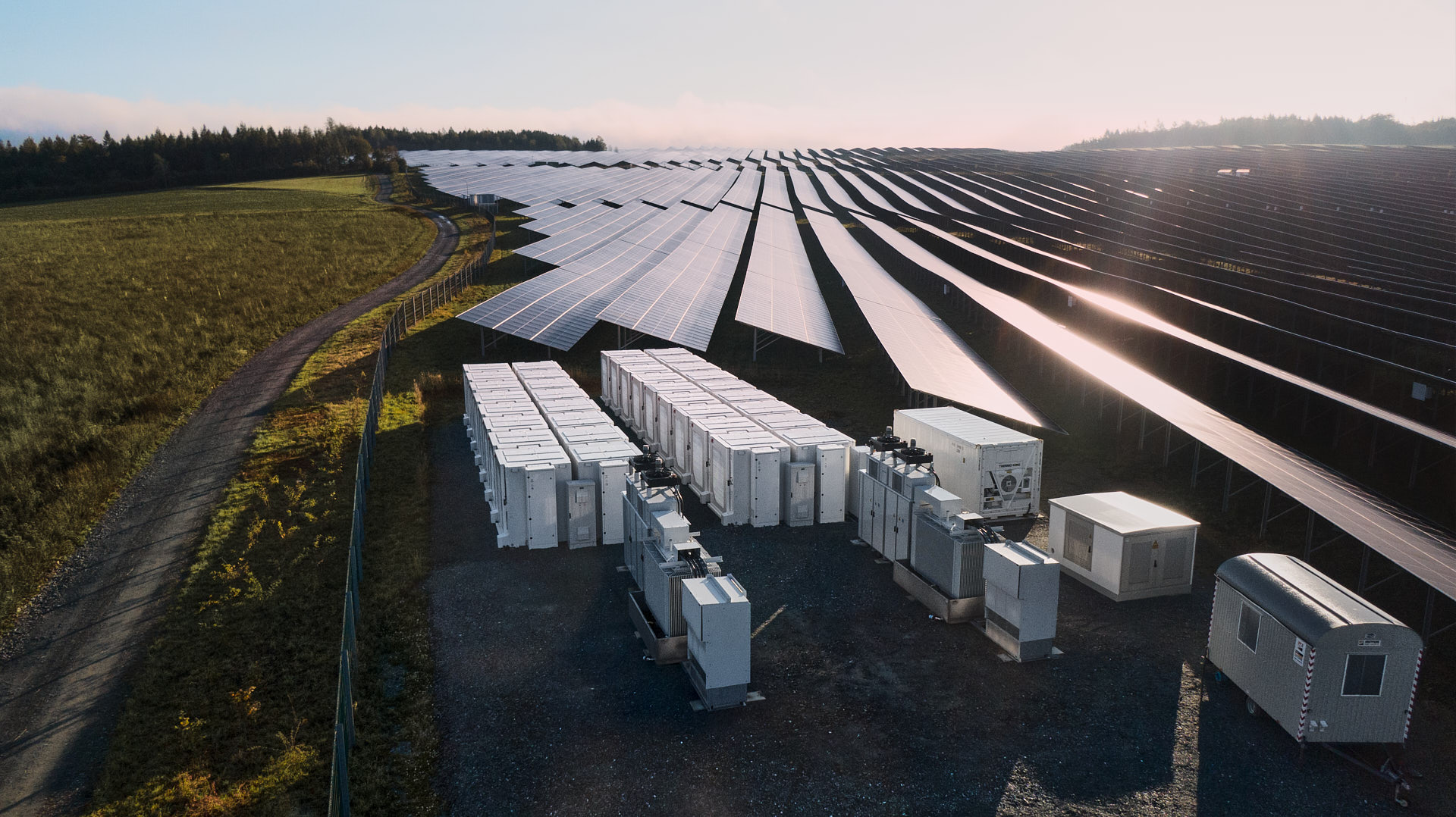
In the beginning, we had PVC casings, and we have already equipped very large solar farms in Australia, Mexico, in other countries. And after a few years, when we get photos or when we go on-site, after two or three years and we see our product being seriously damaged by UVs, to the point where there’s no color anymore. But sometimes it can even break the plastic. If you expose your product to UVs, after one or two years, the weight of the product itself breaks. And this was the starting point of this new development.
We understood that PVC is not the solution. I mean, if you want to have a product that stays outside, that is exposed to UV rays, you cannot use such PVC, even though it’s pressure PVC or reinforced PVC, you just delay the problem. We then decided to think about and study other plastic casings that can handle UVs much better.
AR
That’s a great vision. Well done. Again, I would like to thank Johan Fournel for joining us today.
JF
Thank you very much. Alan
Share this article