






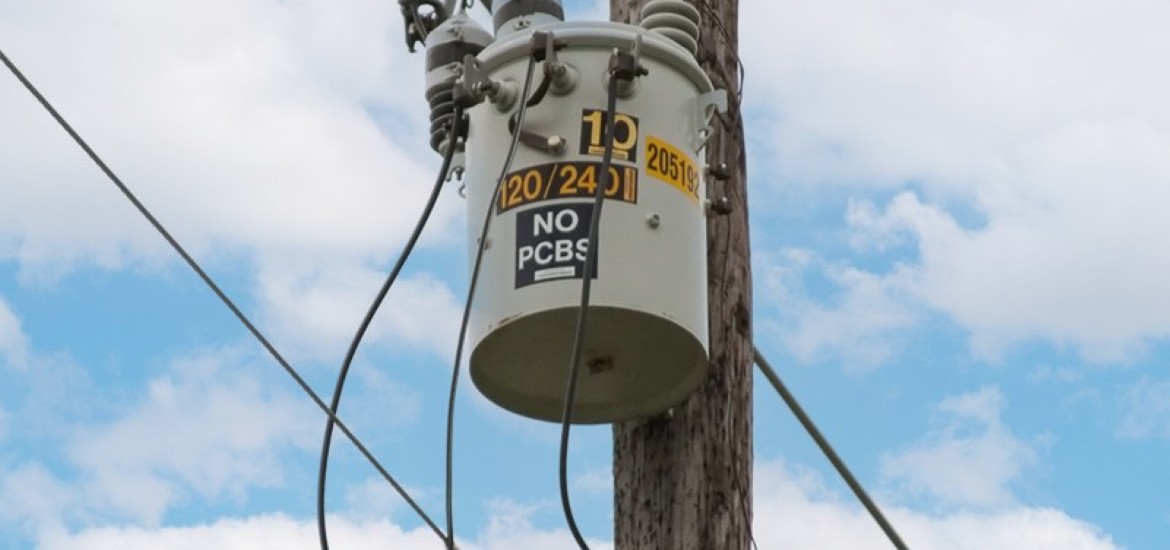
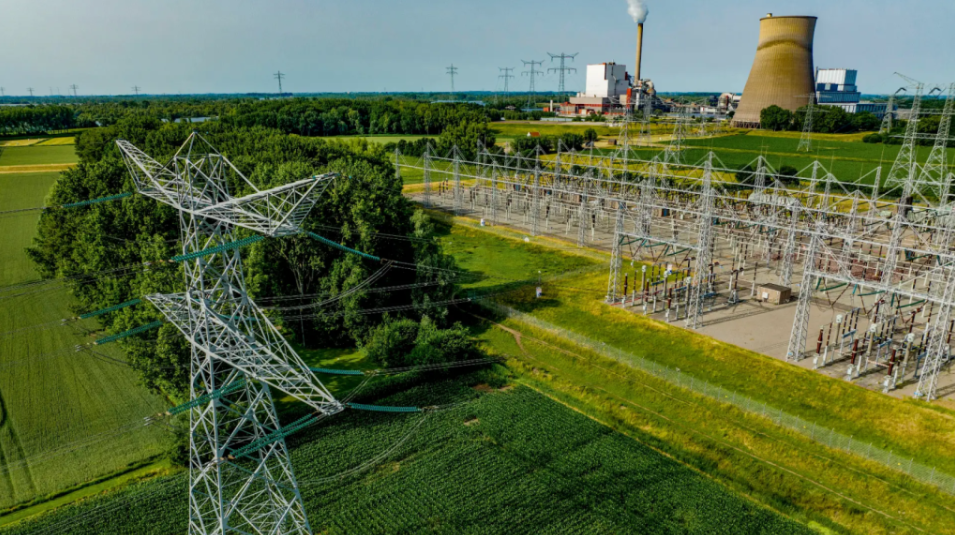
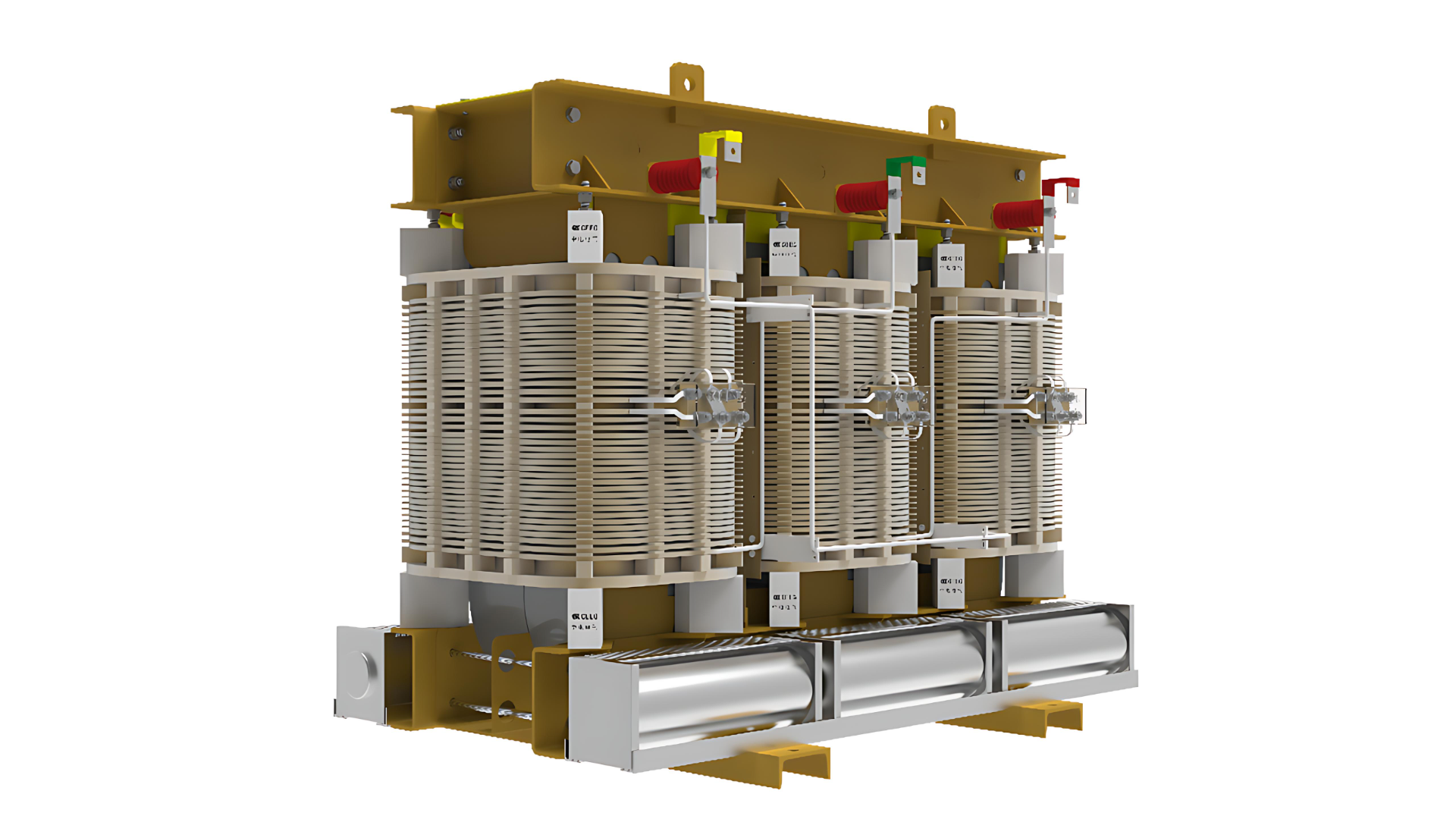

























When the grid ages, everything is at stake Demand for power transformers is at an all-time high in the US, booming ever since the pandemic. Despite this, PTR estimates the average age of an installed power transformer has risen to almost 41 years1. Based on data from transformer manufacturers and industry experts, operating life of this equipment usually ranges up to 40 years2 creating an existential threat to the security of our power grid.
Based on empirical evidence-based failure rates and multiple research papers, PTR estimates that between 2025 and 2030, about 4.7% of the installed base of power transformers will face failure amounting to $30 Billion in economic cost. 3 , 4 Figure 1- Age distribution of power transformers / Source: Power Technology Research (PTR) Why can’t transformers be replaced fast enough? This boils down to both a lack of good demand forecasting from utilities in a post-pandemic environment combined with new technology such as generative AI that frankly caught everyone off guard. This was of course combined with a reluctance from OEMs to build more capacity against an ever-increasing backlog of orders, not wanting to be fooled from the housing boom in the mid-2000s where they overbuilt as lessons from over the pond during the renewable boom in the early 2010s. Not to refrain from throwing shade around, this is all within a regulated system that’s designed to be conservative and reluctant to incentivize any fork of risk taking at the potential cost of rate increases to consumers.
Suppliers, having only last year started to plan out expansions, are now facing significant hurdles in scaling their capacities due to labor and raw material shortages. It has been reported that many skilled roles (e.g., transformer winders) are filled by workers aged 50+, with few adequately trained successors. Furthermore, the sector has had a low appeal for the younger workforce as it is perceived as complex and unattractive compared to fields like computer science and AI. These factors have further raised question marks regarding the ability of power transformer OEMs to catch up with demand any time soon. Figure 2- Power Transformer lead times / Source: Power Technology Research (PTR) What this situation amounts to are n ew power transformers requir ing up to six years to install , with an average of four years while some OEMs are already fully booked through 2030. As a result, maintain ing and extending the life of power transformer has taken center stage. No longer a ‘nice-to-have ’ , these services are essential to mitigating that $30B price tag. The rise of critical services amid a market crunch A record number of power transformers have been sold and installed during the post-pandemic period . Through this point, t he domestic market has been largely dominated by foreign manufacturer s to the tune of 80% 5 . Generally speaking, t hese foreign manufacturers tend to outsource their service requirements to regional providers .
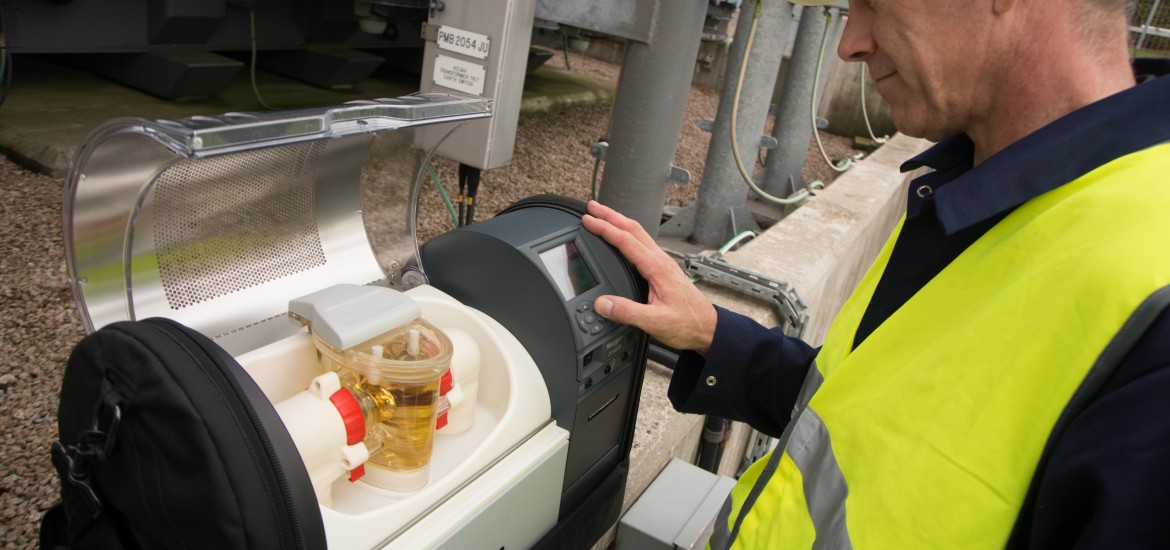
Electric u tilities are the primary customers of power transformers as these units are typically placed in critical locations for transmission. For this reason, large utilities (IOUs) maintain their own transformer servicing and maintenance teams , highly capable of performing basic tasks such as visual inspections, reading checks, cooling system inspections, oil sampling, and minor repairs . But when it comes to more delicate or high-risk work like installations, LTC maintenance , or re-gasketing, they tend to play it safe and outsource. Why? Because one wrong move can permanently damage a multi-million-dollar asset or void the OEM warranty. As a result, it’s precisely these kinds of specialized services that are seeing the fastest growth.
Transformer maintenance, comprising both major and minor servicing along with transformer testing is currently the largest service segment. However, don’t expect it to stay that way for ever. Digitalization is slowly creeping in , including the adoption of IoT technologies, need/condition- based monitoring , the works. The logic is simple: don’t fix it unless the sensors tell you to . While this shift is set to dilute the share of traditional maintenance , it is not a death sentence for the segment. Most online monitoring systems are still reserved for the big guns , i.e. transformers above 100 MVA. A huge chunk of the fleet is still running blind, relying on good old physical checks. Add to that the fact that newer transformers are often designed with shorter operational lifespans than the legacy ones, and it’s clear the need for ongoing service isn’t going anywhere.
Add to that the fact that newer transformers are often designed with shorter operational lifespans than the legacy ones, and it’s clear the need for ongoing service isn’t going anywhere. Figure 3- Power Transformer service market size breakdown / Source: Power Technology Research (PTR) Another service that has in the recent times gained significant traction is storage service. Due to widespread project delays, particularly in substation construction, there has been a temporary spike in storage needs. OEMs, particularly import-heavy ones, are also using storage to ease delivery bottlenecks and hedge against uncertain project timelines. Storage requirements vary by duration: for periods under six months, transformers are typically kept pressurized with dry air or nitrogen to prevent moisture ingress and can be stored in open yards without special measures. However, if storage exceeds six months, the units must be oil-submerged with heaters to control moisture and may require vacuuming services and oil filling by the storage provider. In some cases, OEMs offer their own storage solutions to accommodate client-side delays. The Labor Crisis Undermining Grid Resilience One of the most pressing challenges facing the transformer services sector today is a growing shortage of skilled labor , a constraint that is already reshaping how utilities approach installation and maintenance. A clear example of this shift is already visible in Europe, where rising labor costs and growing installation complexity have prompted many utilities to scale back their in-house capabilities. Instead, OEMs and specialized third-party service providers have taken the lead, supported by both economic pressures and concerns over warranty compliance.
The U.S. appears to be on a similar trajectory. E xperienced maintenance workers are retir ing, and fewer skilled tradespeople are enter ing the field . T he gap in service capacity is widening. This vacuum will have to be filled by emerging service providers and independent specialists, but the transition will come with a cost. The price of transformer services , especially those tied to installation, refurbishment, and condition-based maintenance , is projected to rise by 20–25% by 2030 compared to 2024 levels.
For most utilities, these rising costs may make it impractical to maintain expensive internal teams especially when they can only fulfill minor maintenance tasks . Under this scenario, the shift toward outsourced expertise would be imminent . In this evolving landscape, specialized transformer services will not only become more specialized, but also more central to grid reliability. As transformer supply remains constrained and demand continues to climb, the service layer will carry increasing operational and strategic importance.
Ultimately, the future of grid resilience may hinge not just on hardware availability, but on the availability of highly skilled service providers making this a sector that will be both , critical and increasingly attractive as a career path . Grid’s Future Hinges on What We Maintain The current surge in transformer demand from electrification, grid upgrades, and digital buildout isn’t a passing trend. It marks a structural shift in how energy is produced, moved, and consumed. And while that’s keeping OEM order books full, the ripple effects are now showing up in indirectly related markets.
Markets adjacent to transformer manufacturing, including transformer servicing, refurbishment, storage, and condition monitoring are emerging as robust growth areas. These service segments are no longer peripheral; they are becoming essential pillars of the power sector’s ability to function reliably amid supply chain constraints, aging infrastructure, and accelerating energy transition targets.
For investors, OEMs, and utilities alike, the key takeaway is this: while new transformer procurement remains critical, long-term strategy must also include a strong focus on preserving, optimizing , and extending the life of the existing fleet. The future of the power grid doesn’t only hinge on what we build new, it depends just as much on how well we maintain and adapt what we already have. Abdullah Shakil Associate – Americas
Abdullah Shakil is an Associate at PTR, where he contributes to research, client advisory, and strategic consulting initiatives. He has advised clients on U.S. market entry strategies, including entry pathways, M&A targeting, and market potential evaluation. His expertise lies in market sizing, opportunity modeling, and competitive landscape analysis particularly within the legacy grid equipment and infrastructure space. Prior to PTR, Abdullah worked in consumer market research, delivering insights through persona modeling and gap identification to guide first-mover strategies. Mike Sheppard CEO and Americas Lead
Mike Sheppard has 20 years of market research experience designing numerous research practices from scratch while leading over 100 bespoke projects with Fortune-500 companies. In 2016 he co-founded Power Technology Research (PTR) and has since launched new research practices in solar, storage, battery, and e-mobility. In 2020, he co-founded Matos, an intelligence automation company focused on providing powerful AI-driven tools for the market research sector. In 2023, this business was acquired by PTR. Prior to founding PTR, he spent 8 years with iSuppli/IHS Markit in various analyst and consulting roles where he covered a broad range of sectors including mobile, renewable power and electricity transmission and distribution (T&D). In his last role, he led the power technology consulting group. He is an expert on the PV industry and having performed numerous competitive dynamics and opportunity assessment projects, covering upstream, downstream, and supply chain topics. In 2008, he obtained two Bachelor’s of Science in both Financial Services and Corporate Finance from San Francisco State University.

The $30 Billion Risk No One’s Talking About

Popular Categories
Trending Now
Foresight Can Be 20/20 with IRISS IR Inspection Windows
Breakthrough in Protection when Monitoring Bushings

Collaborating to Address the Challenges of a Sustainable and Environmentally-Friendly Power Systems Future

Championing Women in Leadership: Florencia Rodriguez Lamas
Digital Twins Applied to Power Grids