
























EXPERT OPINION
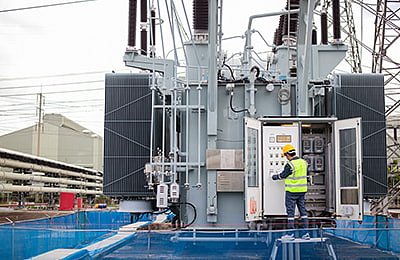
In a data-driven world where transformer owners want to have as much data as possible from their transformers, they start by monitoring the top oil temperature, winding temperature, pressure relief device, liquid level, tank pressure, sudden pressure, and various load tap changer (LTC) data.
When transformers fail without warning, they realize that more data is necessary. They then investigate single and multi-gas online dissolved gas analysis (DGA), partial discharge, bushing monitoring, acoustic vibration, etc. Then they build asset health centers and hire data scientists to manage the vast amount of data they didn’t realize would be such a monumental task to manage.
There must be a better way.
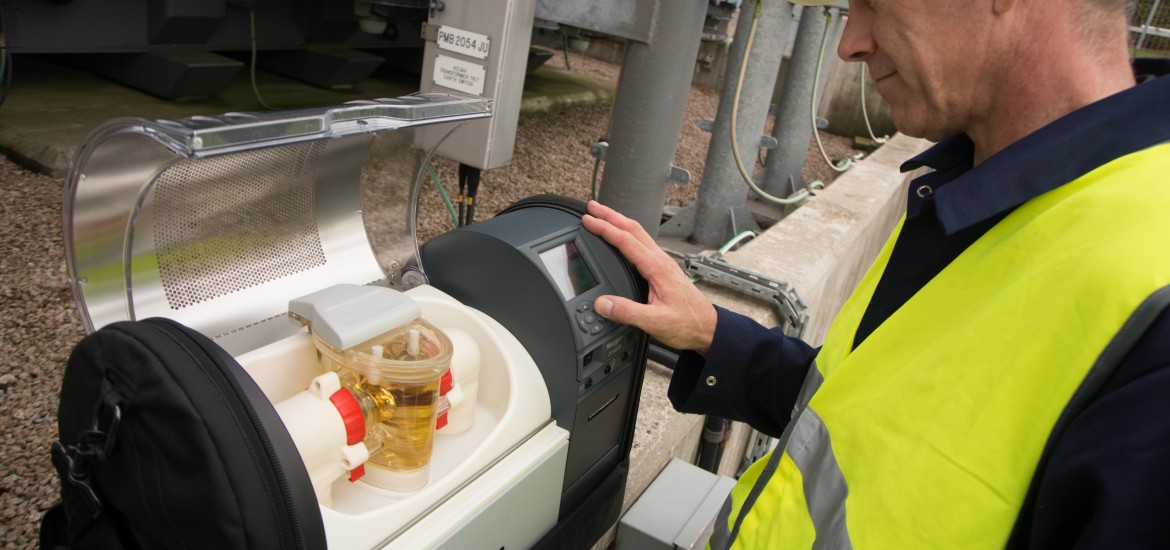
Large utilities on the bleeding edge of technology have found that all of this data comes at a price. While many monitors do not interface directly with transformer fluids, the online DGA monitor must measure gases either directly in the fluid, or extract gases from the fluid for measurement after extraction. Although multi-gas DGA monitors have become more reliable than they were 10 or 15 years ago, they are still complex machines that are installed outdoors in electric substations where they are subjected to all the elements weather forecasters have to offer. Although multi-gas DGA monitors have become more reliable than they were 10 or 15 years ago, they are still complex machines that are installed outdoors in electric substations where they are subjected to all the elements weather forecasters have to offer. In addition, they must survive ground faults, corona, electro-magnetic flux, vibration, corrosive compounds in the oil, etc. Data scientists love data from multi-gas monitors because they get a better idea of the real-time health of the asset. Unfortunately, the reality is that most multi-gas monitors of any type are prone to some type of failure within 2-5 years after installation.
While a 5-year warranty sounds like a good plan, what happens after the warranty expires? Due to limited maintenance budgets, most utilities are unable to keep their multi-gas monitors running after the warranty expires. Therefore, after 10-20% of the transformer’s life, the utility is back to relying on annual data from manual samples. Some utilities are now getting 10-year warranties on their monitors. While this extends the life of their monitors, does the cost of the monitor and warranty outweigh other options that could alert utilities to more transformer failures? Leon White is Vice President of Transformer Sales and Business Development at H2scan. A 15-year industry veteran, White joined H2scan from Qualitrol and previously worked at General Electric. White began his career as a substation design engineer at Ameren, an electric utility. White has electrical engineering and MBA degrees from Southern Illinois University at Edwardsville and is a registered professional engineer (P.E). Share this article

Online Transformer Data Comes at a Price
Popular Categories
Trending Now
Tale of Two Esters : Why the Natural One is the Better Dielectric Fluid
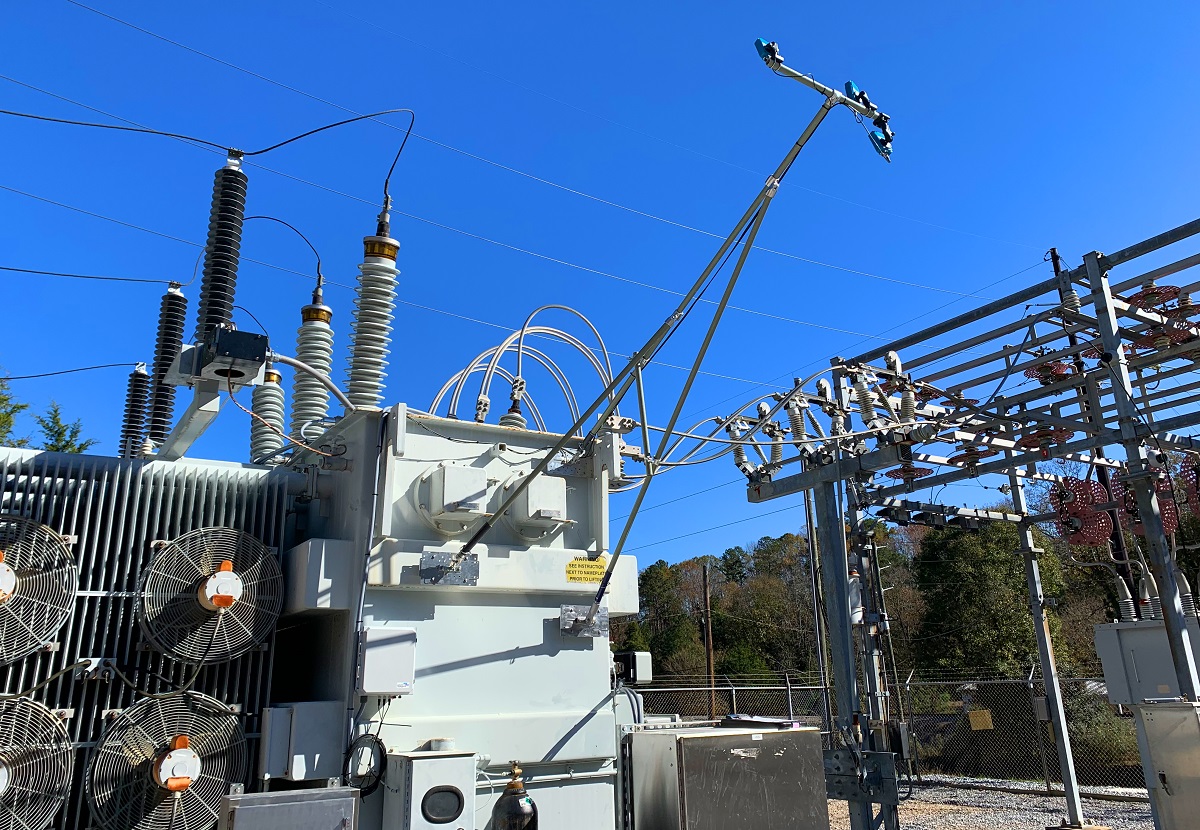
Southern Company Goes Touchless™ to Reduce On-Site Transformer Inspections
Integrated Condition Monitoring: Merging Data from Relays and Asset Monitors for a Fuller Evaluation
Temperature Rise Test Corrections for Three-Winding Transformers with Axial Split-Windings
Digital Asset Management: Overload of Power Transformers