



































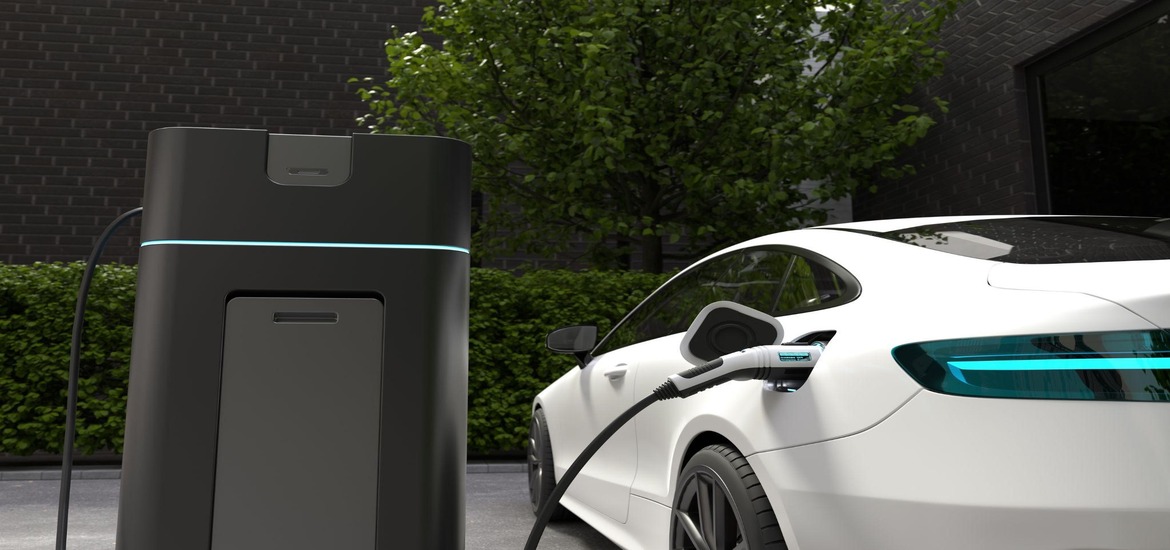
Improving Reliability in EV Chargers: Addressing the Key Challenges and Solutions Introduction As the electric vehicle (EV) market continues to expand, the reliability of EV chargers becomes increasingly critical. Reliable EV charging infrastructure is essential to support the growing number of EVs on the road, ensuring that drivers can charge their vehicles quickly, safely, and efficiently. However, achieving high reliability in EV chargers presents several challenges, including hardware durability, software robustness, network connectivity, and user experience. This article explores the key challenges in improving the reliability of EV chargers and discusses potential solutions to address these issues. Reliable EV charging infrastructure is essential to support the growing number of EVs on the road, ensuring that drivers can charge their vehicles quickly, safely, and efficiently. The Importance of Reliable EV Charging Infrastructure Reliable EV charging infrastructure is vital for several reasons: User Confidence: Drivers need assurance that charging stations are operational and can reliably charge their vehicles without unexpected failures. Grid Stability: Reliable chargers help maintain grid stability by ensuring efficient energy management and distribution. Economic Impact: High reliability reduces maintenance costs and downtime, leading to better economic outcomes for charging station operators. Environmental Benefits: Reliable EV chargers promote the adoption of electric vehicles, contributing to reduced greenhouse gas emissions and a cleaner environment.
Key Challenges in Achieving Reliable EV Chargers
Challenge: Hardware Durability EV chargers are exposed to various environmental conditions, including temperature fluctuations, humidity, and physical wear and tear. Components such as connectors, cables, and power electronics are susceptible to damage and degradation over time.
Solution: Robust Design Utilize high-quality materials and components that can withstand harsh environmental conditions. Implement rigorous testing protocols to ensure durability.
Protective Enclosures: Design chargers with protective enclosures that shield internal components from environmental factors such as dust, water, and extreme temperatures.
Regular Maintenance: Establish a proactive maintenance schedule to inspect and replace worn-out components before they fail. Software Robustness Software-related issues, including firmware bugs, network connectivity problems, and cybersecurity threats, can significantly impact the reliability of EV chargers. Firmware Updates Develop a robust firmware update mechanism that allows for remote updates to address bugs and introduce new features without requiring physical access to the charger.
Redundant Systems Implement redundant systems and fail-safes to ensure continued operation in case of software failures.
Cybersecurity Measures Incorporate strong cybersecurity measures to protect against hacking and unauthorized access, ensuring data integrity and system reliability.
Challenge: Network Connectivity Reliable network connectivity is essential for real-time monitoring, remote diagnostics, and user authentication. Network interruptions can lead to operational disruptions and reduced reliability.
Solutions: Multiple Connectivity Options Provide multiple connectivity options, such as wired Ethernet, Wi-Fi, and cellular networks, to ensure continuous operation even if one network fails.
Network Management: Implement advanced network management tools to monitor connectivity and diagnose issues promptly.
Edge Computing: Utilize edge computing to process critical data locally, reducing dependency on continuous network connectivity.
Challenge: User Experience A positive user experience is crucial for the widespread adoption of EV charging infrastructure. Issues such as complex interfaces, slow charging speeds, and unavailability of chargers can deter users.
Solutions: Intuitive Interfaces Design user-friendly interfaces that are easy to navigate, with clear instructions and real-time feedback on charging status.
Fast Charging Invest in fast-charging technologies to reduce charging times and improve user satisfaction.
Availability Monitoring Provide real-time availability information through mobile apps and online platforms to help users locate available chargers. Innovative Technologies Enhancing EV Charger Reliability Predictive Maintenance Predictive maintenance leverages data analytics and machine learning to predict when a charger component is likely to fail. By analyzing data from sensors and historical maintenance records, operators can schedule maintenance before failures occur, minimizing downtime and enhancing reliability. Modular Design Modular design involves creating EV chargers with interchangeable modules for key components such as power electronics, connectors, and control units. This approach simplifies repairs and upgrades, reducing downtime and maintenance costs. If a module fails, it can be quickly replaced without affecting the entire system. Enhanced Communication Protocols Advanced communication protocols, such as ISO 15118, enable seamless communication between EVs and chargers. These protocols support features like Plug & Charge, which automates the authentication and billing process, enhancing user convenience and reliability. Energy Management Systems Integrating EV chargers with energy management systems allows for intelligent load balancing and energy distribution. These systems can optimize charging schedules based on grid conditions, energy prices, and user preferences, ensuring efficient and reliable operation. Case Studies: Success Stories in EV Charger Reliability
Tesla Supercharger Network Tesla’s Supercharger network is renowned for its reliability and user experience. Key factors contributing to its success include: Proprietary Technology Tesla designs and manufactures its chargers, ensuring tight integration with its vehicles and high-quality standards. Robust Network: The Supercharger network is extensive and strategically located, providing redundancy and ensuring availability. Regular Updates Tesla frequently updates its firmware to enhance performance and address any issues promptly. ChargePoint ChargePoint operates one of the largest networks of independently owned EV charging stations. Its success in reliability can be attributed to: Comprehensive Maintenance: ChargePoint offers a comprehensive maintenance program that includes remote diagnostics, regular inspections, and prompt repairs. Scalable Solutions: ChargePoint’s modular design allows for easy scalability and upgrades, ensuring long-term reliability. User Engagement: ChargePoint actively engages with users through its mobile app, providing real-time information and support.
Future Trends in EV Charger Reliability
Wireless Charging Wireless charging, though still in its early stages, promises to enhance reliability by eliminating physical connectors, which are prone to wear and tear. Advances in wireless power transfer technology could lead to more reliable and user-friendly charging solutions. V2G Technology Vehicle-to-Grid (V2G) technology allows EVs to feed energy back into the grid. This bidirectional energy flow can enhance grid stability and reliability. V2G-enabled chargers will need to be highly reliable to manage the additional complexity and ensure seamless operation. Artificial Intelligence Artificial intelligence (AI) can play a significant role in improving the reliability of EV chargers. AI algorithms can analyze vast amounts of data to predict failures, optimize energy management, and enhance user experience. As AI technology advances, its integration into EV chargers will become more prevalent. Conclusion
Improving the reliability of EV chargers is crucial for the continued growth and success of the electric vehicle market. By addressing challenges related to hardware durability, software robustness, network connectivity, and user experience, we can develop a more reliable and user-friendly charging infrastructure. Innovative technologies such as predictive maintenance, modular design, enhanced communication protocols, and energy management systems offer promising solutions to these challenges. By addressing challenges related to hardware durability, software robustness, network connectivity, and user experience, we can develop a more reliable and user-friendly charging infrastructure. The success stories of Tesla and ChargePoint demonstrate that a focus on quality, proactive maintenance, and user engagement can lead to highly reliable EV charging networks. Looking to the future, trends such as wireless charging, V2G technology, and artificial intelligence will further enhance the reliability and efficiency of EV chargers. Innovative technologies such as predictive maintenance, modular design, enhanced communication protocols, and energy management systems offer promising solutions to these challenges. As the industry continues to evolve, stakeholders must collaborate to establish standards, share best practices, and invest in research and development. By doing so, we can ensure that the EV charging infrastructure meets the growing demands of EV users and supports a sustainable and electrified future. Binesh Kumar is a technology and engineering leader, who works as a Technical Project Lead at Atom Power Inc., in Charlotte, North Carolina, USA. His background is in electrical engineering with over a decade of experience in R&D and IOT product development in the power and energy domain. He is an active IEEE senior member and serves in several leadership roles within IEEE. This article was originally published in the June 2024 issue of the Transformers Technology magazine, which you can access here .
To download the PDF version of this article, click here .

Improving Reliability in EV Chargers: Addressing the Key Challenges and Solutions
Popular Categories
Trending Now
Digital Asset Management: Overload of Power Transformers
Electrical Equipment Maintenance and Testing, an Electrical Maintenance Program (EMP)
Degradation of Insulating Liquids: Myths and Facts
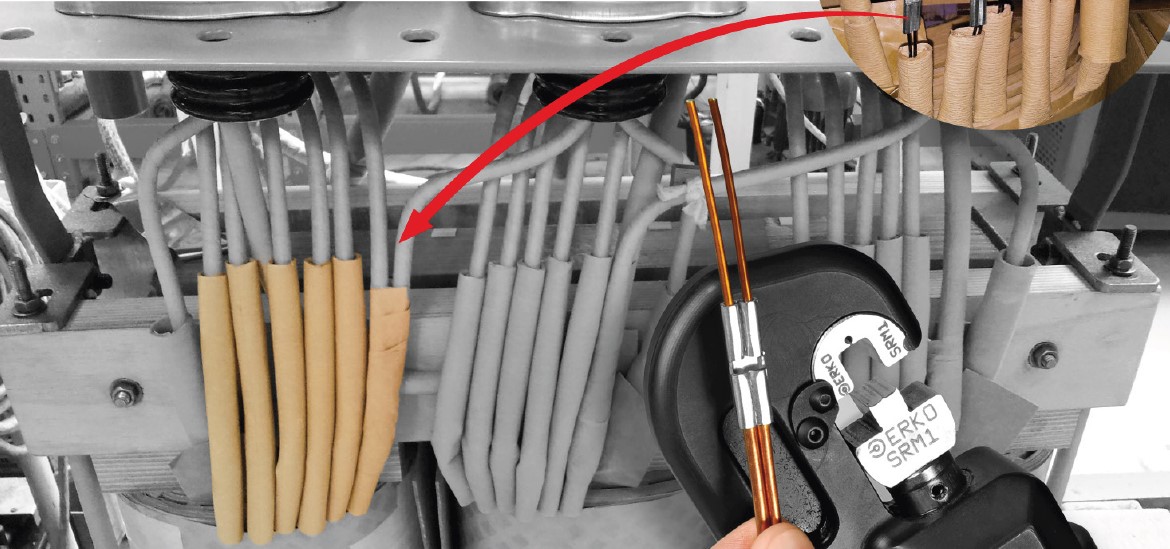
Innovation on a Global Scale: Technology for Connecting Aluminium and Copper Enamelled Wires in Transformers

Solid State Technology to Streamline Global Transition to Clean Energy