
























HARMONIC MITIGATION
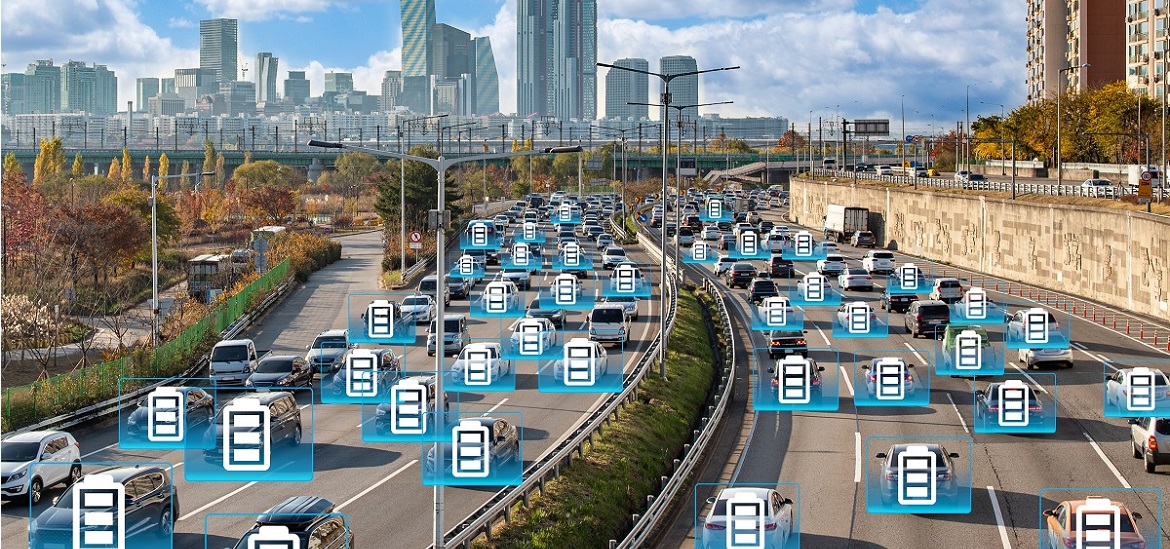
When the U.S. government announced a commitment to install 500,000 public EV charging stations by 2030 as part of the 2022 Infrastructure Bill, the news certainly piqued the interest of EV drivers and those considering EV adoption. There’s no question the utility industry and electrical engineers responsible for system health have a keen interest in this development as well.
However, it’s still very early in the plan, and so far, there’s no single entity responsible for implementing it. Building out EV charging infrastructure of this scale will require collaboration from many stakeholders — from power system equipment manufacturers to property owners, local governments, building managers and network providers. Many stakeholders, including electrical engineers responsible for power distribution, may not become part of an EV charging station project until it is well under way.
This wait-and-see approach could put all stakeholders a step behind when it comes to addressing a major infrastructure requirement: EV charging system reliability. For the transformer industry in particular, now is the time to start investigating how EV charging and other nonlinear loads affect power quality, transformer performance, and overall power system health. Transformer specialists should plan ahead for harmonics.
EV charging, in particular DC fast chargers, rely on inverter-based resources to convert power from AC to DC. These inverters consume current differently from the voltage waveform supplied. This is referred to as a nonlinear load, which creates power quality anomalies — most notably current distortion known as harmonics. With a high percentage of total load being nonlinear, the current distortion starts to affect the voltage source, often significantly.
These distortions not only disrupt charging equipment (a reliability nightmare for drivers), but they also damage connected equipment including transformers.
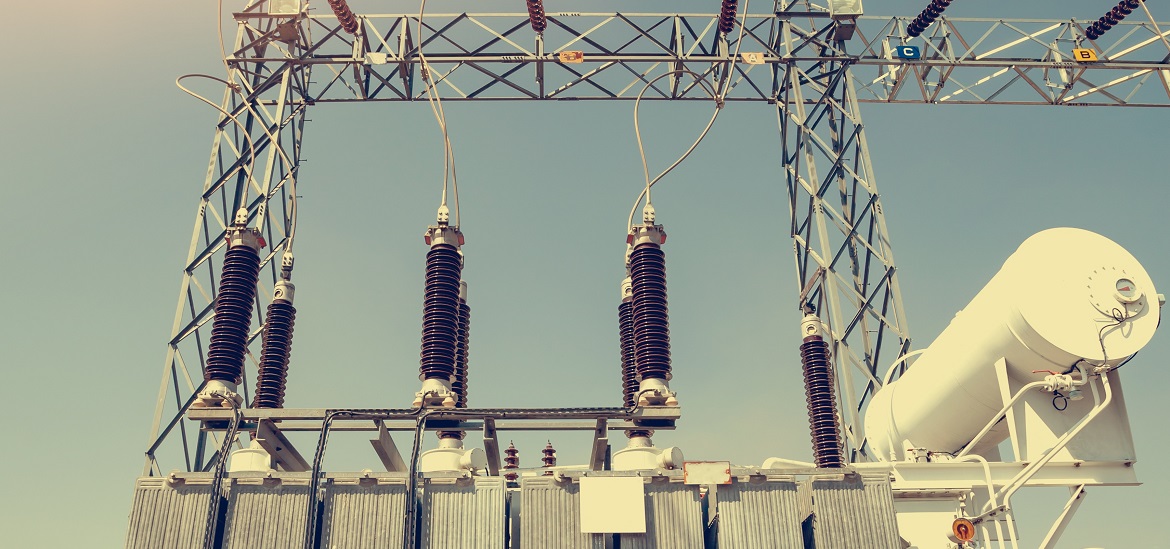
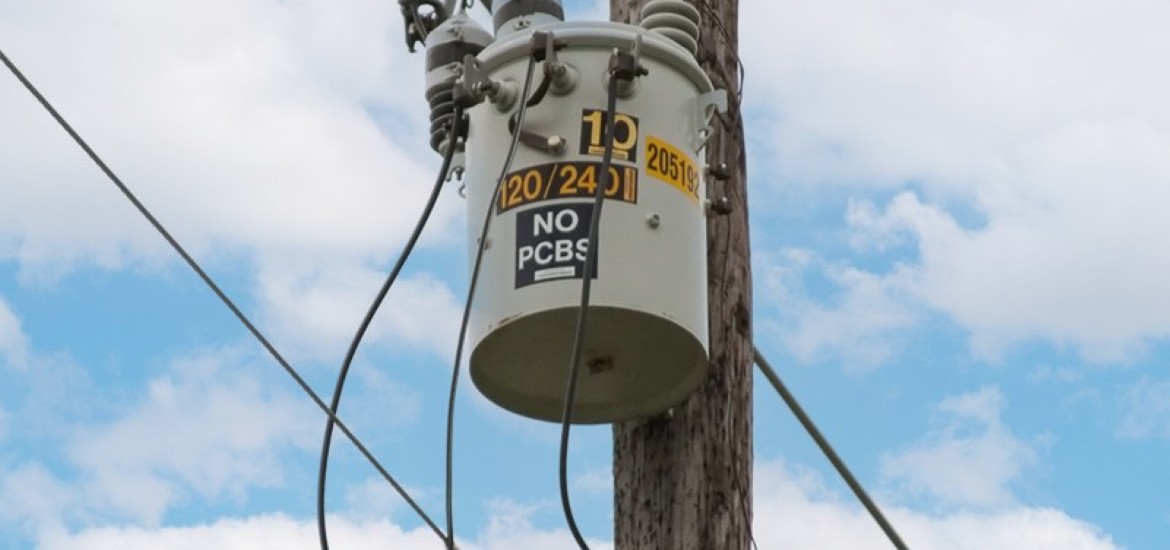
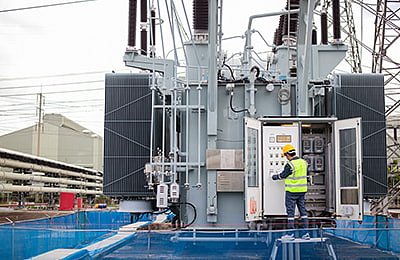
While the EV charging load may not be excessive, the harmonics produced during charging could lead to an overload situation that heats up the core of the transformer, resulting in premature equipment failure. One study of EV charging installation scenarios noted that a transformer feeding highly distorted current may need to be derated by up to 50%. [i] Given that charging equipment uptime is a prerequisite of publicly funded EV charging infrastructure projects, [ii] an offline station represents financial loss, commercial impact to the charging network operator, and negative user experiences.
[i] Y. Xu, Y. Xu, Z. Chen, F. Peng and M. Beshir, “Harmonic analysis of electric vehicle loadings on distribution system,” 2014 IEEE International Conference on Control Science and Systems Engineering, Yantai, China, 2014, pp. 145-150, doi: 10.1109/CCSSE.2014.7224526.
[ii] The White House, Fact Sheet: Biden-Harris Administration Announces New Standards and Major Progress for a Made-in-America National Network of Electric Vehicle Chargers, February 15, 2023 While the EV charging load may not be excessive, the harmonics produced during charging could lead to an overload situation that heats up the core of the transformer, resulting in premature equipment failure. There are compliance risks as well.
Even if equipment isn’t damaged by harmonics, high harmonic levels are unavoidable with DC fast charging applications. Utilities may penalize power system asset owners that don’t adhere to IEEE Standard 519-2022, Harmonic Control In Electric Power Systems. This standard limits the amount of harmonic distortion allowed in the power system, notably the point of common coupling where the client infrastructure connects to the grid. (See Tables 1 and 2 for maximum voltage distortion and current distortion limits.)
A utility has the right to shut down any facility that exceeds IEEE 519-2022 thresholds, due to the potential risk to the grid, and that includes EV charging stations. It’s difficult to determine whether utilities will have the scale to monitor these limits site by site as the charging network grows. That said, compliance with IEEE 519-2022 will need to be proven at the permitting stage, so engineers must take this into account early on. Table 1: IEEE 519-2022 voltage distortion limits for systems rated 120 V through 69 kV Table 2: IEEE 519-2022 current distortion limits for systems rated 120 V through 69 kV Renewable energy sources increase the potential for high harmonics.
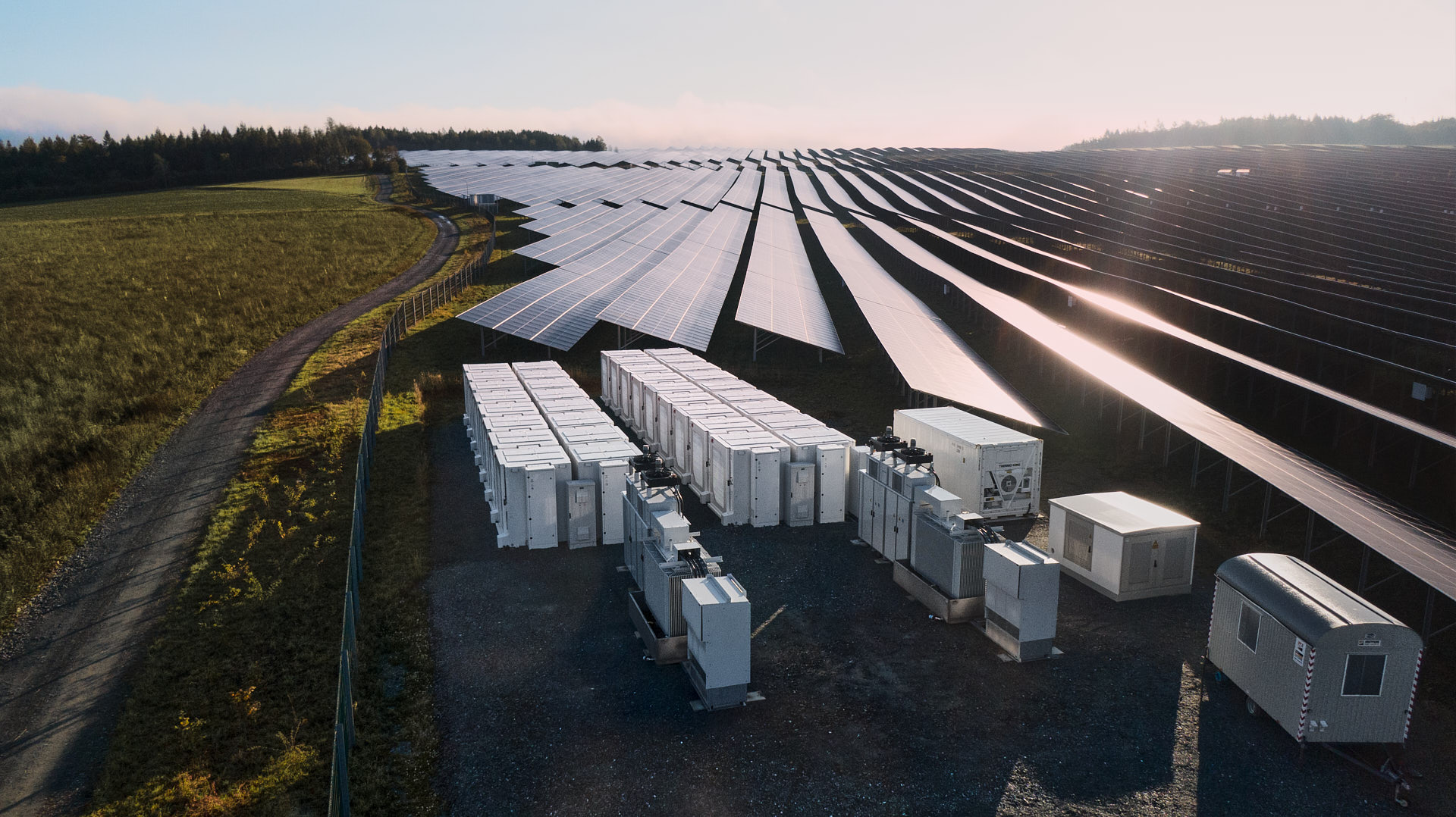
Efforts to develop cleaner transportation go hand in hand with the appetite for green energy. It’s only natural that industry analysts and policymakers envision a significant portion of EV charging to be powered by renewable energy sources, delivered through microgrids. This model will likely be an attractive way to bring EV charging to rural and less-developed areas.
The problem: Like EV chargers, microgrids also rely on inverter-based resources and are subject to generating harmonic distortions.
In other words, harmonics can, concurrently, represent both a load issue and a generation issue. This recently became apparent in a “perfect storm” of EV charging interruption at a high-traffic fast charging station in California. In this case, both the chargers and nearby solar energy farms contributed to total harmonic distortion (THDv) of over 13%. (To resolve the issue, Powerside implemented an onsite, low-voltage active harmonic filter that reduced THDv below 3% — well within IEEE 519-2022 limits.)
Meanwhile, in Virginia, one large power system routinely experienced transformer failures due to harmonics generated from a 2.5 MW solar array. EV charging was not involved, but the situation reinforces the importance of taking proactive measures to minimize harmonics for both generation and consumption of electricity.
Researchers who modeled Level 2 and Level 3 EV chargers within the IEEE 13 node test feeder encountered transformer I2R losses due to higher-order currents in transformer windings. This potentially leads to higher real power consumption; reduced efficiency; and equipment degradation due to high temperature increase. [i]
Proactive power quality monitoring paired with harmonic filtering will be essential to successful EV charging implementation.
Power quality monitoring devices can be attached to EV chargers and medium voltage lines to identify, measure and record data relevant to system reliability and component health. Ideally, these devices should provide data visualizations of voltage and current disturbances, harmonics, impulses, frequency variations, interruptions and overloads specific to each unit. Managers can keep tabs on these measurements remotely via desktop or mobile device, and collect the unit data from all chargers into a cloud-based platform for fleetwide analysis, custom reporting and sharing.
When harmonic disturbances exceed IEEE 519-2022 limits or manifest as equipment malfunction, active harmonic filtering can be applied onsite. These filters automatically inject equal harmonic frequencies at 180-degree phase shift to immediately cancel out the distortion. (In fact, this is how Powerside resolved the fast charging EV station failure mentioned previously.) Active filters are preferred over passive filters for this application because they adapt to changing harmonic influence (typical with stochastic EV charging patterns) and simultaneously filter out several harmonic frequencies from a distorted voltage waveform coming from the grid.
[i] N. Woodman, R. B. Bass and M. Donnelly, “Modeling Harmonic Impacts of Electric Vehicle Chargers on Distribution Networks,” 2018 IEEE Energy Conversion Congress and Exposition (ECCE), Portland, OR, 2018, pp. 2774-2781. doi: 10.1109/ECCE.2018.8558207 Knowledge is power. Collectively, stakeholders all along the grid have a role in grid resilience.
Assuming the U.S. EV charging infrastructure plan fully comes to fruition, experts say it will represent the most significant new load and revenue source for utilities in decades. [i] While many observers worry that demand will exceed generation capacity, the reality is that advances in energy efficiency have led to decreased power consumption. The U.S. grid remains relatively robust.
However, harmonics will continue to be a concern due to its effects on reliability, equipment life and grid stability. As the use of EV chargers, microgrids, smart sensors and other harmonics-producing technologies increases, stakeholders on all sides of the meter — charging station networks, utilities, equipment manufacturers, engineers and specifiers — all have a part to play.
Increased rollouts of thorough power monitoring will allow operators to quickly react to rising EV charger failure rates with data-driven assessment of solutions and mitigation strategies to keep our grid secure.
[i] Smart Electric Power Alliance, Utility Best Practices for EV Infrastructure Deployment, June 2020 Seth Johnson is Vice President and General Manager of Powerside, a company that specializes in optimizing power quality for Utilities and C&I markets worldwide. He holds a Bachelor of Science from the University of Minnesota-Twin Cities. Share this article