




















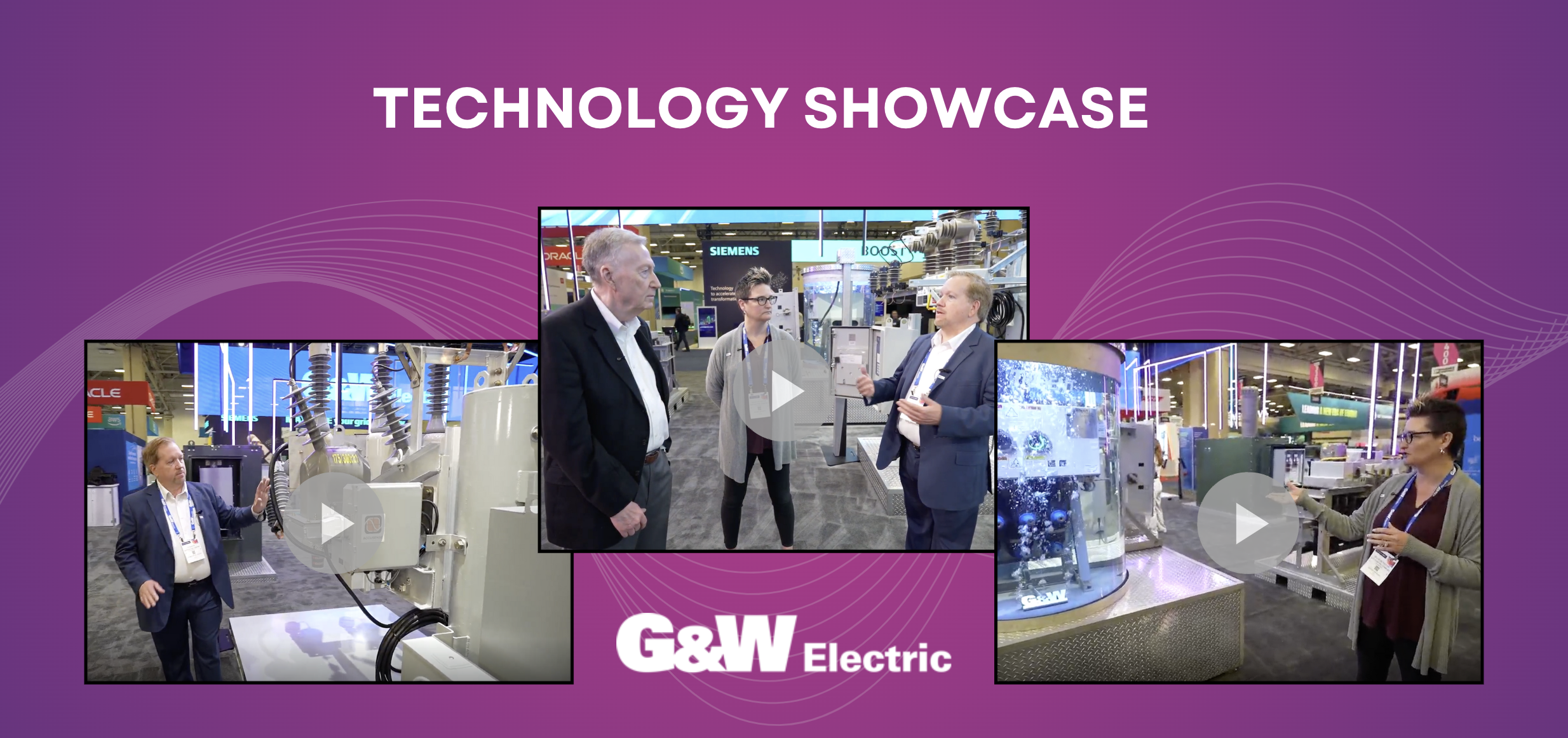





The power industry is undergoing a significant transformation, driven in part by the rapid growth of data centers and electrification, presenting both major challenges and compelling opportunities. At DISTRIBUTECH 2025, a leading annual conference and exhibition focused on the transmission and distribution of electricity held in Dallas this year, we interviewed experts with knowledge about these transformative challenges and have compiled and highlighted what they perceive of this shift and the industry’s response. Challenges The most pressing challenge is the unprecedented scale and speed of load growth. This surge is primarily attributed to data centers, EV charging infrastructure and large manufacturing facilities. “The demand for power is outpacing supply,” states David McKinley, EVP at Aspen. “The historical annual load growth of 1-2% in some areas has dramatically increased, with several utilities reporting an 8% growth rate.” This rapid escalation has left many feeling “caught by surprise”.
Judson Tillinghast, Data Center Strategist at APS, highlights the magnitude, noting they “have committed to serve 4.7 gigawatts of additional customer growth, two-thirds of which is data centers, over the next 10 years, but face an “uncommitted data center queue” exceeding 15 gigawatts for which they currently lack the resources.
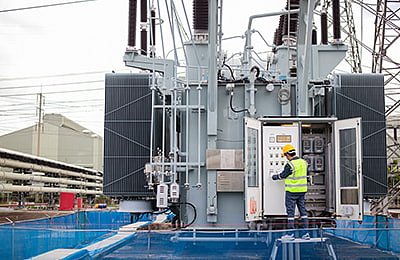
This surge in demand places immense strain on existing infrastructure, including generation, transmission, and substations. Expanding capacity is, according to Brad Langley, CMO at GRIDX, as “a very expensive proposition, complicated by long lead times for equipment like transformers”. Casey Werth, who leads IBM’s global industry for the energy sector, adds that “permitting and sighting and supply chain as impacts on the ability to build new transmission”. In some areas, the scale of interconnection requests for new projects has become so large that queues have had to be temporarily shut down.
Another key concern is that the costs associated with building this new infrastructure do not disproportionately affect residential consumers. Utilities are sensitive to the affordability question for their ratepayers. There is also the risk of cost shifts if anticipated demand doesn’t fully materialize after infrastructure investments are made.
The industry is also grappling with workforce and supply chain issues. Aspen’s David McKinley highlights the challenge from an “aging workforce and the challenge of replenishing experienced technicians, linemen, and tradespeople”.
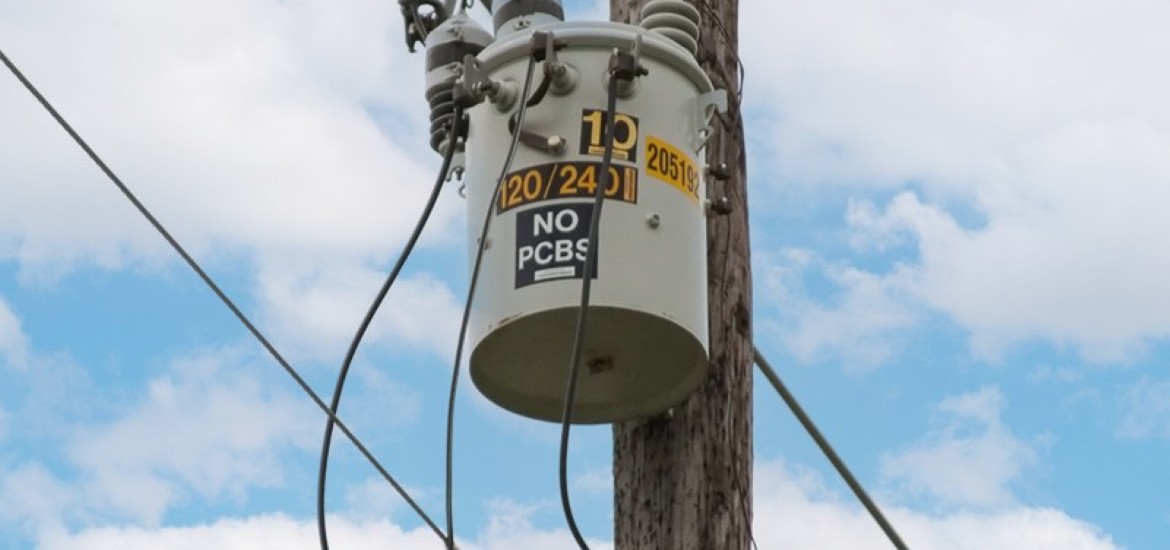
Securing critical equipment like transformers, as well as other electrical equipment, also presents a significant challenge. Lead times for transformers alone can be three to five years or more. Recent tariffs will also impact transformer OEMs ability to meet the demand in materials such as copper, steel and other components. All of these are affected by trade negotiations under Trump administration. Without a stable supply chain, we will not have a stable supply of new transformers.
The proliferation of new technologies and automation is bringing concerns about physical and cyber security, making it more vulnerable. Protecting substations and automated systems is an “acute” focus, given the increasing sophistication of threats, potentially aided by AI. Additionally, ensuring that these various new technologies and smart devices communicate and integrate effectively is a hurdle, as in some cases, these systems are “not speaking to each other”. Opportunities Despite the challenges, the demand growth presents significant opportunities for sector growth and revitalization. IBM’s Casey Werth views this as providing “more opportunities to grow the sector because we went through a pretty long period of stagnated growth”. The rapid growth is also seen as “a catalyst for some necessary transformation” in how grids are run and how business is done.
There is also potential for partnership with large customers like data center operators. Judson Tillinghast, APS, notes that “data centers seem to be willing to be a financial partner” and potentially invest in infrastructure to help expedite a time for service.” This willingness suggests avenues for creative solutions.
The scale of demand and the associated challenges serve as a powerful driver for innovation. The industry is compelled to accelerate the adoption of new technologies and approaches. Industry Response The power industry is actively responding by implementing various strategies. Utilities are focused on maximizing the capacity of existing infrastructure rather than solely relying on new builds. This includes using technologies like dynamic line ratings on transmission lines based on real-time weather conditions and optimizing distribution transformer use by analyzing real-time AMI load data to identify and potentially swap over-built assets. Casey Werth, IBM, explains that “using data allows them to push a lot more margin on existing assets than we used to have to be comfortable doing and sweat the asset to improve the RA”. Condition-based maintenance is also being leveraged to extend the life of assets.
There is a significant focus on leveraging data and analytics. Brad Langley of GRIDX highlights “ingesting all the AMI data to do some really valuable cost insights, helping customers understand their energy costs and optimize usage. The ability to capture and make decisions based on vast amounts of sensor and monitor data is crucial. Casey Werth, IBM, discusses the exploration of AI foundation models to analyze grid conditions, enabling “far broader simulation capabilities for planning and mitigation beyond traditional physics models”.
The industry is accelerating the adoption of new technologies and innovation. There is an increasing comfort with adopting Software as a Service (SaaS) in the cloud, which offers greater flexibility and faster updates compared to older on-premise systems. Casey Werth of IBM notes a push towards bringing virtualized capabilities into traditionally hardware-focused areas like substations “to improve speed and interoperability”. Vendors are embedding AI, described as “agentic AI,” into their packages, requiring utilities to develop the “new muscle” of orchestrating these capabilities.
Collaboration and partnerships are becoming more common. Utilities are working with vendors, research labs, regulators, and customers. Casey Werth notes that there is “a shift towards focusing on desired outcomes rather than just purchasing hardware.” Common solutions, like industry-wide AI models, are being pursued for the “betterment of the industry”. Partnerships are also essential to address workforce and supply chain challenges. Utilities are engaging more with engineering and trade schools with workplace experience partnerships in hopes of impacting long term skills and experience shortfalls to drive more people into the trades and technical roles.
Utilities are also implementing innovative rate structures and demand management techniques, including complex rates like time-of-use, dynamic pricing, and EV rates. The goal is to engage customers as “active participants in the energy transition” to help manage demand. For large customers, Judson Tillinghast of APS, states that “demand minimums and sometimes even energy minimums will become the standard for utilities in contracts to cover infrastructure costs and mitigate risks.”
Strategic planning and risk management tools are also being employed. Casey Kirkpatrick, Director of Group Strategic Engineering at National Grid, describes a “GIS-based climate change risk tool or CRT used to assess the potential impact of climate hazards on assets over time and inform planning”. Capital plans and integrated resource plans are being developed to accommodate committed load growth.
Efforts are being made to address the workforce and supply chain bottlenecks, including direct engagement with manufacturers to “secure production slots” for critical equipment like transformers and partnering on other initiatives to shorten delivery cycles.
Finally, there is an enhanced focus on security, with acute efforts to protect substations and automated systems against both physical and cyber threats.
The power industry views the growth driven by data centers and electrification as a significant and rapid challenge that necessitates accelerated innovation, extensive data utilization, strategic collaboration, and the evolution of business models to ensure a reliable, secure, and affordable grid for the future.
Being able to discuss a specific topic such as AI Data Center’s impact on the power industry is why we do these types of interviews at conferences. Of course, we have greatly summarized the comments from these experts here. To access the full interviews, click HERE. This article was originally published in the June 2025 issue of the Transformer Technology magazine, which you can access here.
To download the PDF version of this article, click here.

DISTRIBUTECH 2025: AI Data Center’s Impact on Power Industry

Popular Categories
Trending Now

The Effectiveness of Different Transformer Maintenance Strategies
New Opportunities with Engineered Transformer Materials
Transformer Bushings: Breakdown Mechanism and the Appropriate Life-cycle Maintenance Implementation

Immediate Benefits of Winding Direct Hot-Spot Temperature Measurements

Turning Data into Decisions: AI’s Role in Next-Gen Utility Asset Management