




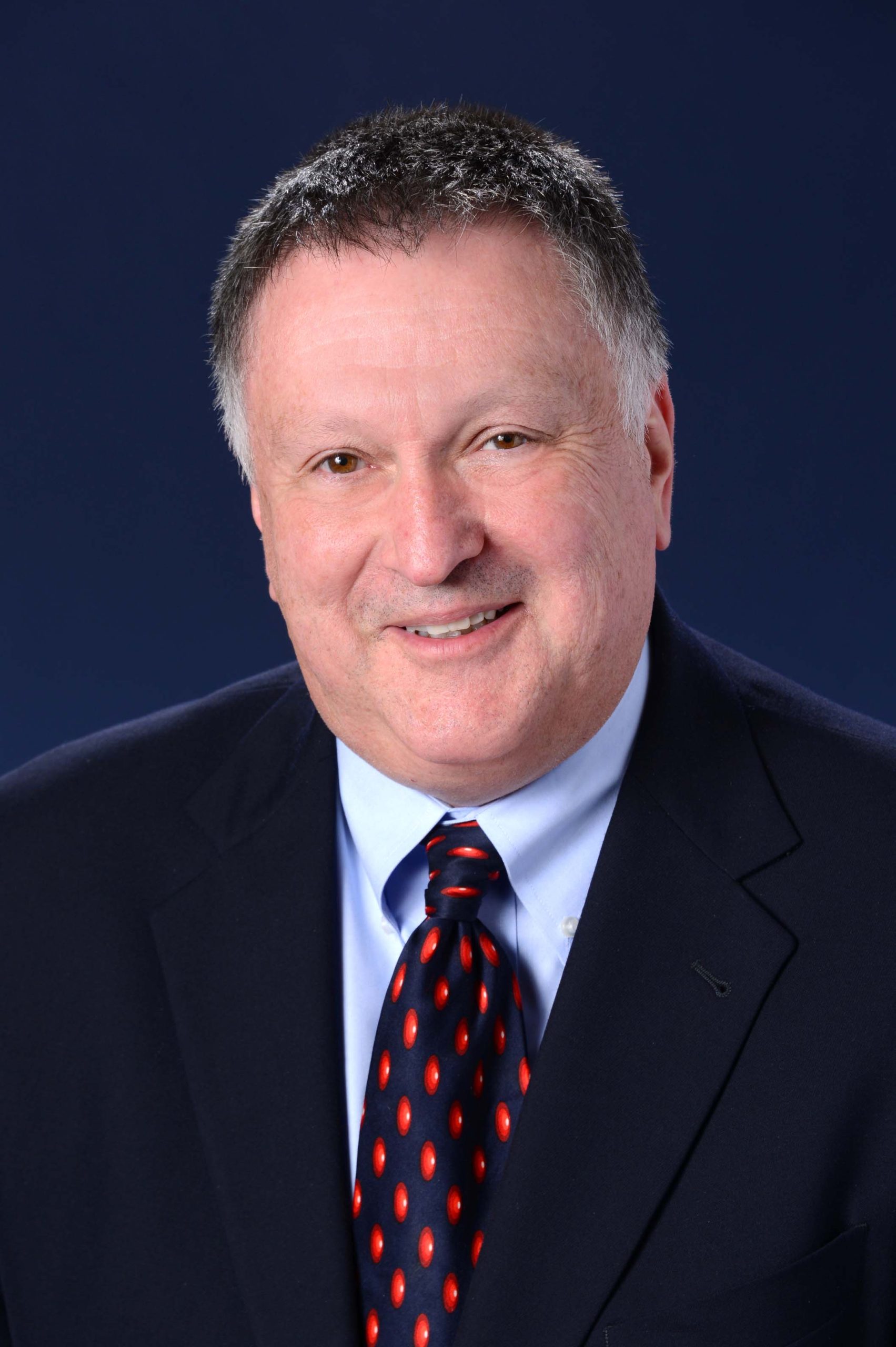
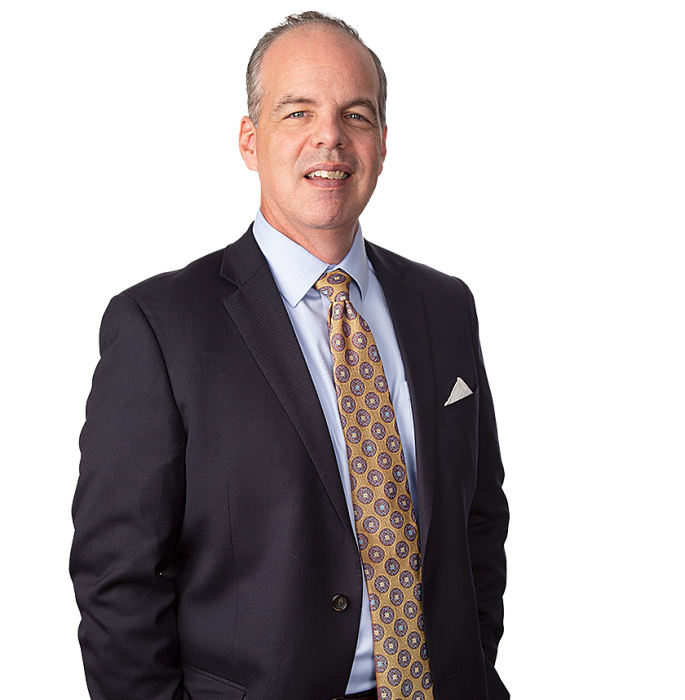


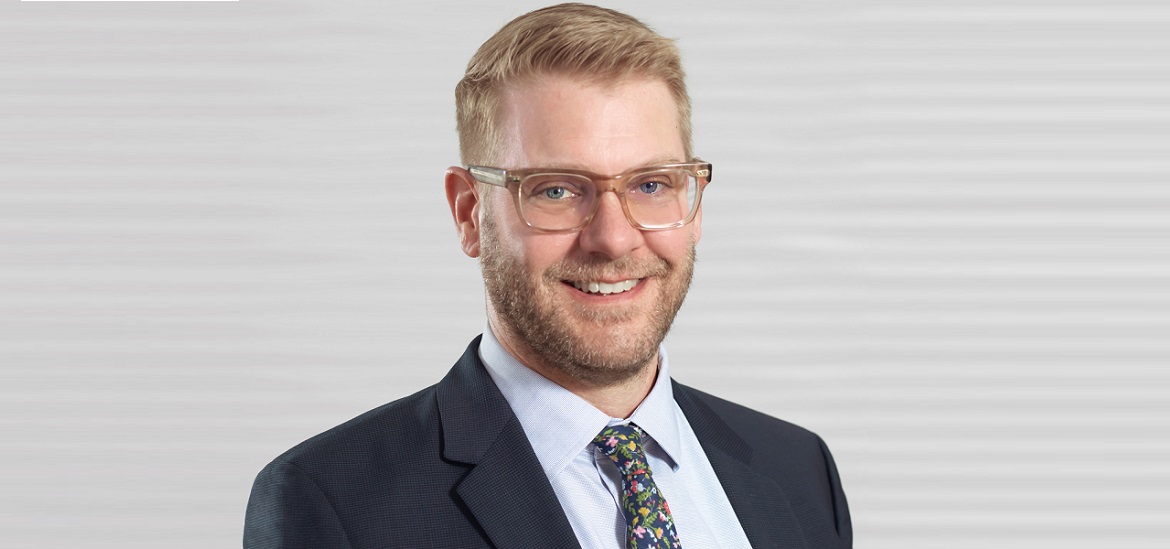
Interview with MIKE HOPPE
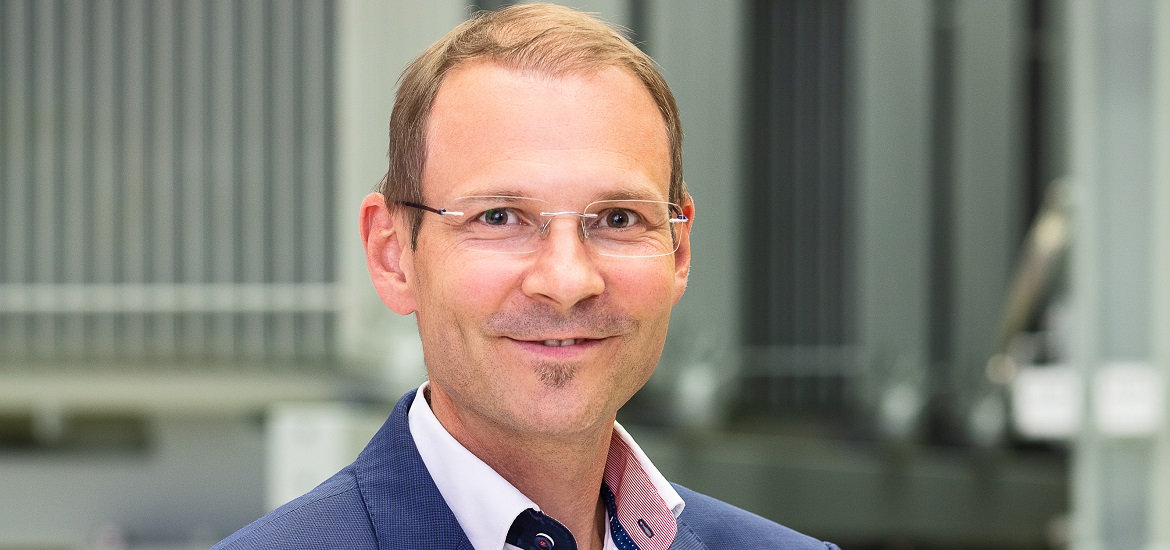
U.S. Product Marketing Director, ABB What is happening now, with all the huge changes coming, is the need for electrification, either driven through government policy, or simply things like EV growth, EV charging growth, and the need for energy. Those things are driving a difference in how we approach grid edge or what it means. Alan Ross
Hi. I’m Alan Ross. I’m the managing editor of APC Technologies. We are at the IEE PES Grid Edge conference, and my next guest is Michael Hoppe. Mike, thank you for joining us.
You’re with ABB. Tell me what your role is at ABB.
Mike Hoppe
I’m U.S. Product Marketing Director for our digital portfolio that’s focused on our electrification products and solutions.
AR
I’ve asked everybody to define grid edge. I’ve got nine different answers so far. Give me number ten.
MH
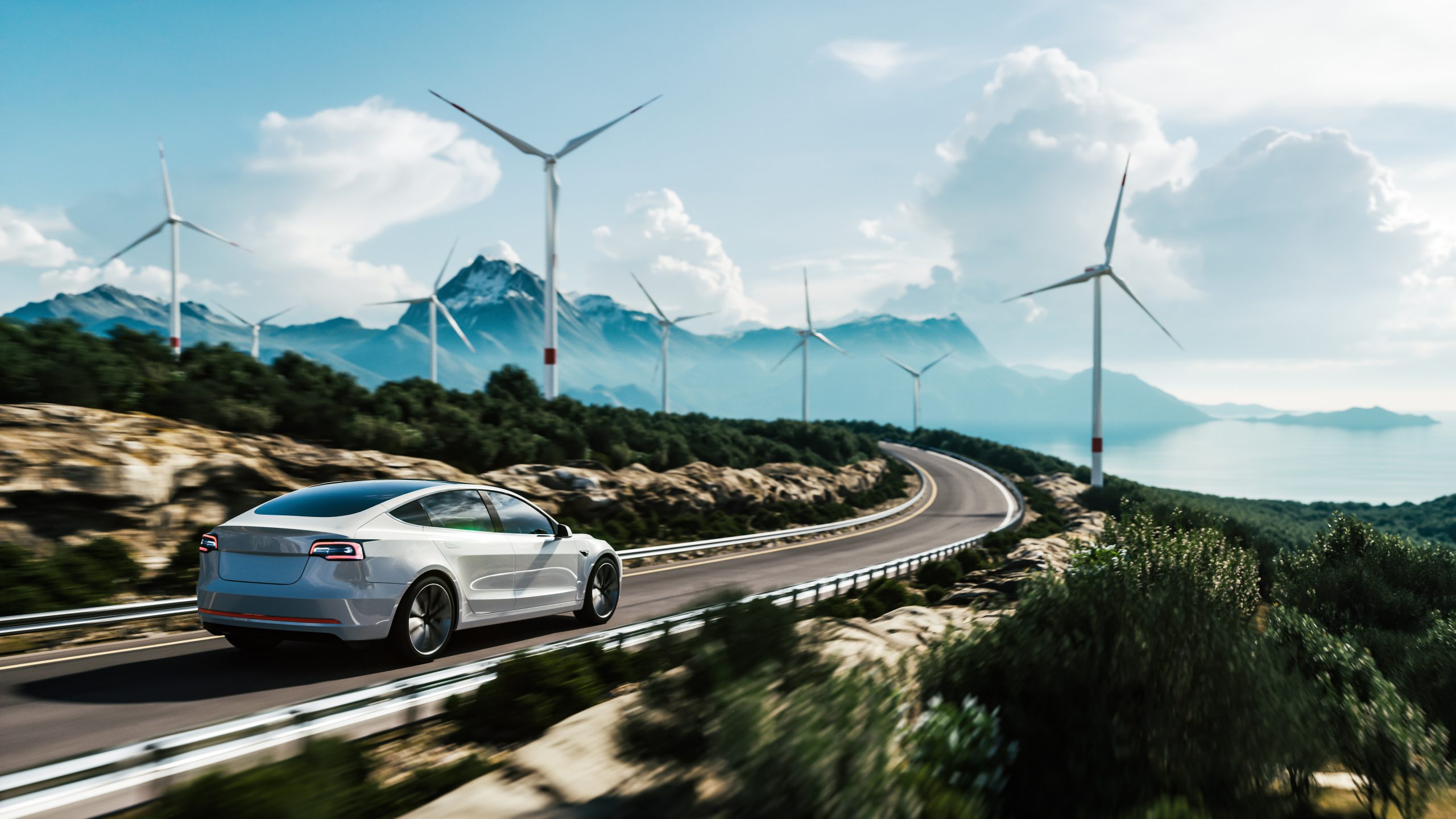
Number ten, sure. What is the grid edge? The grid edge, to me and considering our focus with our electrification products portfolio, is really looking at where the grid meets our consumers. That could be a commercial building, it could be a residential building, and the proximity of that commercial building or residence to the grid. What is happening now, with all the huge changes coming, is the need for electrification, either driven through government policy, or simply things like EV growth, EV charging growth, and the need for energy. Those things are driving a difference in how we approach that edge or what it means. It might be technology in terms of digital hardware, equipment, switchgear as an example, or the software that’s making that change. Then, new technologies employing the cloud as an example, predictive analytics, artificial intelligence, and really looking at that as a way to automate our grid. The grid edge to me is really where that traditional grid interacts with consumers, whether it’s residential, commercial or industrial. AR
When you put in DER, wind and solar and storage, they’re now the grid edge, but they’re not consumers. They are delivered. Well, maybe battery storage is a consumer and a supplier. It’s a much more complicated grid edge. I think it’s like the wild west, right?
MH
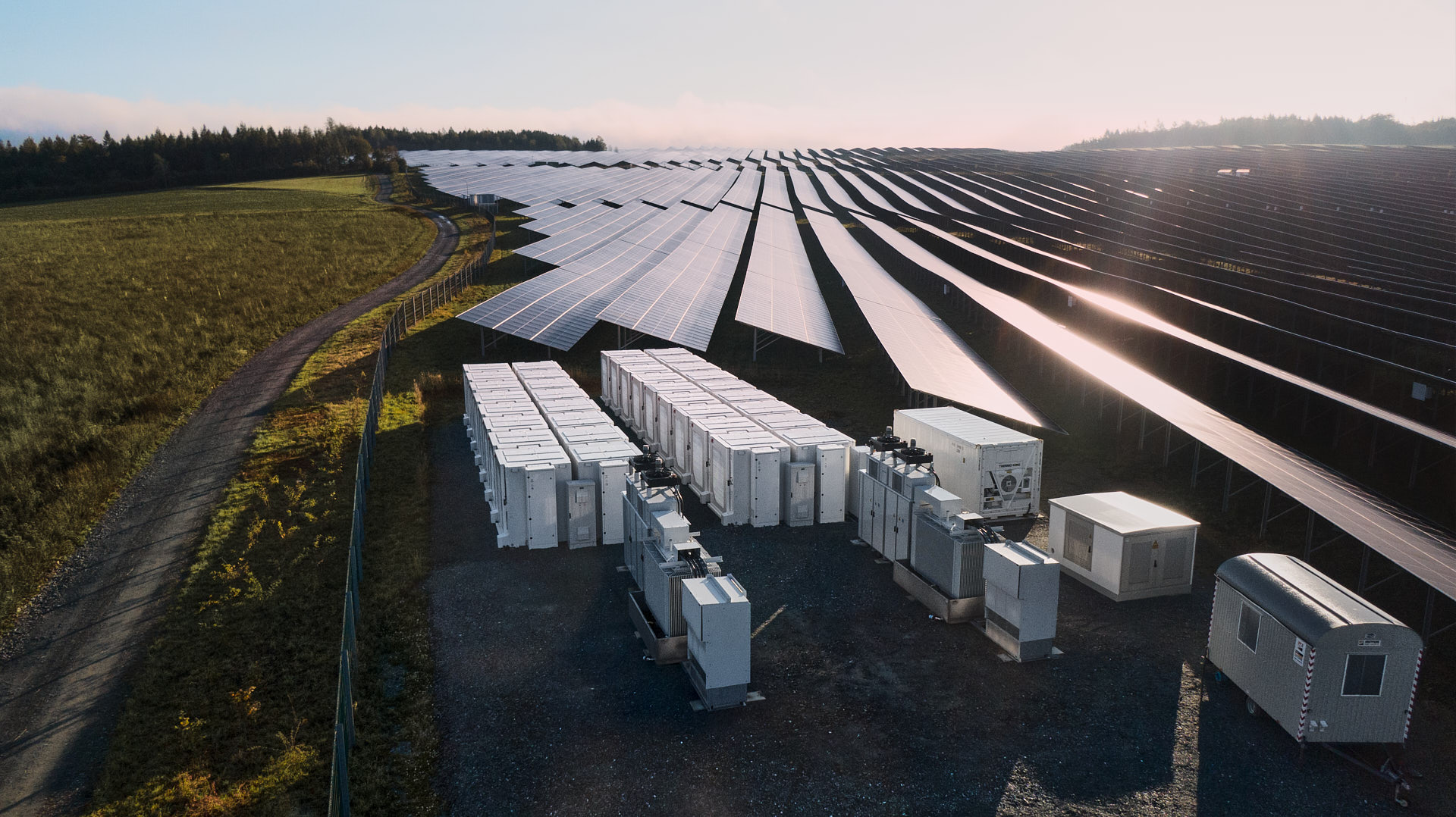
Yeah, I would agree. Those are some of the changes that ten years ago we couldn’t predict, we were seeing growth. But now there’s a step change. In terms of the microgrid itself, that’s absolutely a part of it. Our job is to figure out how to distribute the energy from those new renewable sources. How do we create energy storage if it’s battery or some other methods like we’re seeing here at IEEE and then getting that to those consumers, and then how do we get it to them safely and reliably and whether a resilient microgrid or some other solution?
AR
Electrification of transportation is going to change everything because when you talk about fast charging stations, they’re going to need something different. Then when you talk about at-home charging and solar on roofs, that’s another grid edge change. That is, as you said, step change.
MH
There are many complexities. First of all, if we look at the commercial side of things, you have fleet EVs, to school buses, one of the areas that is being talked about here at the conference, trucks, Amazon fleet delivery. Just look at a utility itself. They have fleets, right, that’s driving massive energy usage going back to the utility. The production of energy, how do we generate it, how do we distribute that and through to the grid edge? Then you look at the home and I think that’s where the lines of grid edge are being blurred, whether it’s multifamily or private, separated, or detached homes, you’re looking at new technologies, smart panels, load centers, and the reason is that we have to manage that energy distribution effectively with the growth in EVs. There might be more than one EV in a garage today. California is a good example. But as we see that across the country, not every home or house has a standard electrical panel that can handle the voltage or the standard service necessary for it. We’re going to see a lot of changes that are going to drive changes in labor skills – how you install it and then effectively manage it. Then you look at the home and I think that’s where the lines of grid edge are being blurred, whether it’s multifamily or private, separated, or detached homes, you’re looking at new technologies, smart panels, load centers, and the reason is that we have to manage that energy distribution effectively with the growth in EVs. AR
When ABB looks at it, when you all look at the future, you look at challenges, because otherwise, you don’t have a company if you don’t have solutions. Talk a little bit about we’ve mentioned it as you’ve gone along, but overall, step back, look at the challenges that the new grid edge as you’ve just defined it is going to create.
MH
I think some of the challenges include the complexity of the new technologies. How do we simplify that for facility operators? Maybe it’s the utility or perhaps it’s an industrial manufacturing facility that is requiring a microgrid, as an example. Typically, that’s been used for back-up power. Now we’re seeing a new need, which is sustainable power. And part of that is caused by the challenges resulting from climate change – natural disasters that could create blackouts or brownouts. How do we maintain a sustainable, reliable energy flow? You look at microgrids as a potential, and then what do you put into that microgrid is, as you mentioned, the various renewables, such as solar, wind, and then that energy is stored for use when it’s most needed in the example of a manufacturing plant. All of that requires systems control, and systems protection, if we can automate that. Our company offers solutions for distribution automation, protection and control. We’re looking at new technologies, for example, centralized, or even better, virtualized substation protection and control. So, you take a typical relay and multiply by dozens of virtual relays in a server and now you use a software-based substation protection and control.
Cybersecurity of course is another challenge. We need to think about safety and security. I think the work force is absolutely a critical element. It’s posing a challenge today as you have knowledge that may have previously existed around an aging infrastructure. That knowledge is still required. But then you have a need for new skills, you have a need for people and certainly a workforce that not only can manage the number of incidents or prevent incidents in your infrastructure, but also has skills and ability to do that. And I think with the new technologies we’re talking about, some of the new controls or systems that require different training, that’s something we have to consider, but then there’s also maintaining a workforce. In other words, keeping the labor on the team and thinking about the culture that we’ve instilled in the people, whether it’s at the manufacturer or a utility or other parts of the industry. I think that’s going to be a vital part of maintaining the infrastructure as we both have to grow to enable this massive energy growth and demand that’s coming our way, but then also maintain it, so that if there’s a fault, we’re going to make sure that it can be fixed appropriately.
We understand there’s a shortage of skilled people. How do you enable them to be more effective at their jobs with tools that are safe? Maybe that’s installation and commissioning, using a new technology like a mobile app and augmented reality. These are all things that are being explored and or used today. But I do think that certainly people are the most important part of that solution and we have to focus on what we can do to enable them rather than displace them. AR
Especially given labor shortages, legacy knowledge leaving, that’s a problem. New knowledge coming in, new technology, all of these things. If you look at it, it looks like a huge problem. If you look at it another way, you say what an opportunity, what a time to be alive. It has never been as exciting to be in the utility industry as it is now.
Most engineers don’t want to be in utility. That’s the old dirty thing, right? Not so anymore. And we’re changing the world. The next generation likes to think they’re doing something that matters.
ABB is a global company. Obviously, you’re seeing things from a different perspective than maybe a North American or a European or somebody from the APAC region. Talk a little bit about your specific role because your responsibility is North America, right? MH
That’s correct. The U.S., specifically.
AR
U.S. Specifically. But you must interface with people around the world. Is anybody ahead of us or are we just like catching what have we learned from other people?
MH
I think it’s more of differences in different regions of the world. There are some areas, for example, Europe, I mentioned the augmented reality or what we call AR, perhaps using a mobile app that is being used in service industries at the utility or at industrials and manufacturing where the technicians are actually using that. Here in the US, we’re testing it. But it’s a very new technology to bring to the traditional service organizations here. So again, it goes back to our workforce and we see differences in workforce amongst the different regions and acceptance of some of the new technologies that we roll out. I think one thing that’s common around the globe is the huge increase in energy demand, the growth in EV, certainly climate change and what we’re seeing in terms of some of the effects of climate change on the existing grid and where we need to continue to build resiliency in it. If we’re offering new technologies, they have to be robust, they have to be resilient. And we really should consider redundancy, something that we talk about in the data center industry. We really need to be talking about that, I think, in our utility industry as well.
AR
I’m a reliability person, okay? So power industry, but reliability. And one of the safest ways to work with especially younger, newer, non-legacy people is give them a tool that, when they’re looking at the piece of equipment they are not allowed to touch, informs them not to touch that. There was a demo with a big red sign that says Danger. I thought that was absolutely brilliant, because it didn’t show up on the machine, but on the augmented reality of the machine.
Let’s switch gears a little bit, because obviously you’re in charge of a division that has got a solution for some of, if not all. Give me the basics on what ABB in your division brings to the marketplace.
MH
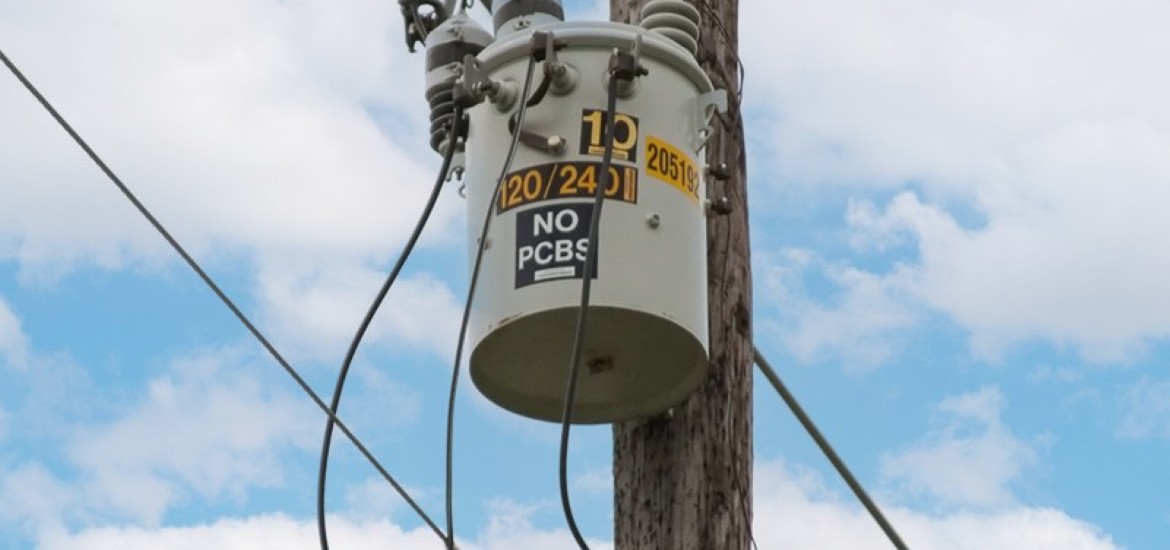
We do a lot of work in the distribution of energy through our equipment that could be switchgear, protection relays, and then, most recently, centralized or virtualized substation protection and control that fits squarely in the utility business. If we talk about the grid edge and where we see some of those blurring lines both with commercial buildings or residences, we also play in those areas as well with our electrical equipment. Breaker panels, certainly circuit breakers and low-voltage building entrance switches. We have an e-mobility division focused squarely on EV charging – fleet charging, high-capacity chargers, and fast chargers. Last but not least, it’s offering solutions in terms of controls and protection, including the software systems that we use to integrate all of that equipment. I think one thing that’s common around the globe is the huge increase in energy demand, the growth in EV, certainly climate change and what we’re seeing in terms of some of the effects of climate change on the existing grid and where we need to continue to build resiliency in it. AR
Software, grid edge, substation, you’re covering a lot here. But one of the things you said that really fascinates me – the virtual part of it. Help me understand how you create a virtual substation or a virtual relay.
MH
It involves taking the protection that a relay provides and other additional value that’s in that device and moving from an analog to a digital device. Everybody’s doing that in the industry today. But then we need to move beyond just that single relay. We look at how many relays might be needed in a single substation and we can put all of that in a server. Virtualization is the next step. Data centers have been doing this for decades. They basically take that box, the server or the computer, and they divide it up, similar to a partition on a hard drive. And you can imagine many or dozens of relays. They’re software-based and that’s in that single box. If you can imagine taking a step further and moving all of that data and information to the cloud, cloud being first of all protected through cybersecurity. We take that very seriously. But what can you do in the cloud? What it really means is then you can add some level of prediction or predictive analytics. The cloud is where you’re going to do all the calculations, the algorithms for creating the predictive analytics.
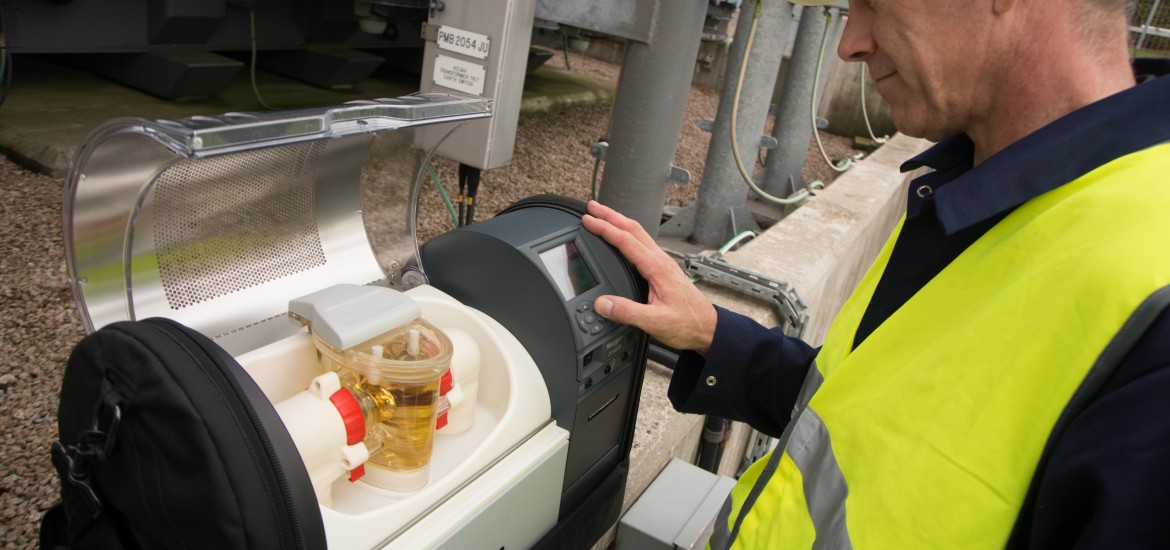
The benefit of predictive analytics then is, as you look at the equipment or the microgrid footprint, you can do several things. You could automate it; you could automate the monitoring alerts. But you can control that from the cloud, the algorithms or the AI, perhaps. This is a tool that should be used by humans, again, not completely displacing them. And the benefits are such that you can more effectively manage any of the physical devices that are there. In other words, if one of those devices might fail, you’re going to have an idea of when that failure is going to occur, what the failure is going to be, and what to do to fix it. The benefits of not having to roll a truck, so diverting your workforce to be more efficient, there’s a capital cost to that – how many trucks you have, the operating costs around oil, fuel, all of that. You can bring those costs down, as well as the cost of overall maintenance on the equipment, and do it when it’s needed, even beyond just a typical scheduled maintenance. AR
So it is taking data that shows the condition of assets and what’s happening to those assets, whether it’s load, whether it’s anything else, and using predictive analytics to say, look, you’re going to have a problem here and that’s where you need to address your truck rolls or your maintenance or whatever you do, that’s your division.
MH
It’s part of what we do. We use predictive analytics today in some of our solutions and we’re looking at that for the future of the grid edge.
AR
There is not going to be a simple solution at the Grid Edge. And I really appreciate the fact that you’re looking at a lot of different applications, whether that’s EV charging, fleet, whatever it is. There’s a lot of different applications because the same tool that you look at when you look at a substation is basically the same type of technology tool. You’ve got a great career ahead of you.
Mike, I appreciate it so much. Thank you for joining me.
MH
My pleasure. Share this article

Navigating the Grid Edge
Popular Categories
Trending Now
A Profile of John McDonald: A Pioneer in Power Systems Automation and Leadership

Advances in Berm and Oil-Filter Technology for a Greener Energy Future
Interview with John F. Darby, President of Niagara Power Transformer
When Women Lead: Building a Meaningful Career in the Power Systems Industry
Interview with Ronald Schmid, General Manager of Siemens Transformers Linz, Austria