





































Thermal management has become a limiting factor in the design and manufacturing of many electronic devices. Computing and telecommunications devices have become too power-dense to be cooled with traditional air-chilling methods. Air conditioning entails high sound levels, cooling water use and power consumption and limits the installation of new data centers near populated areas.
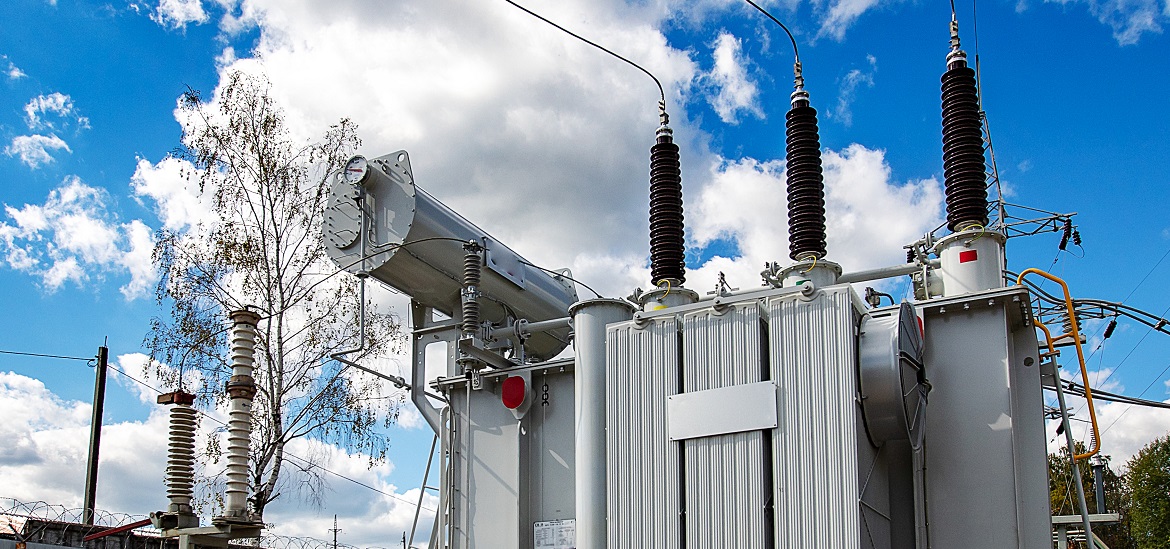
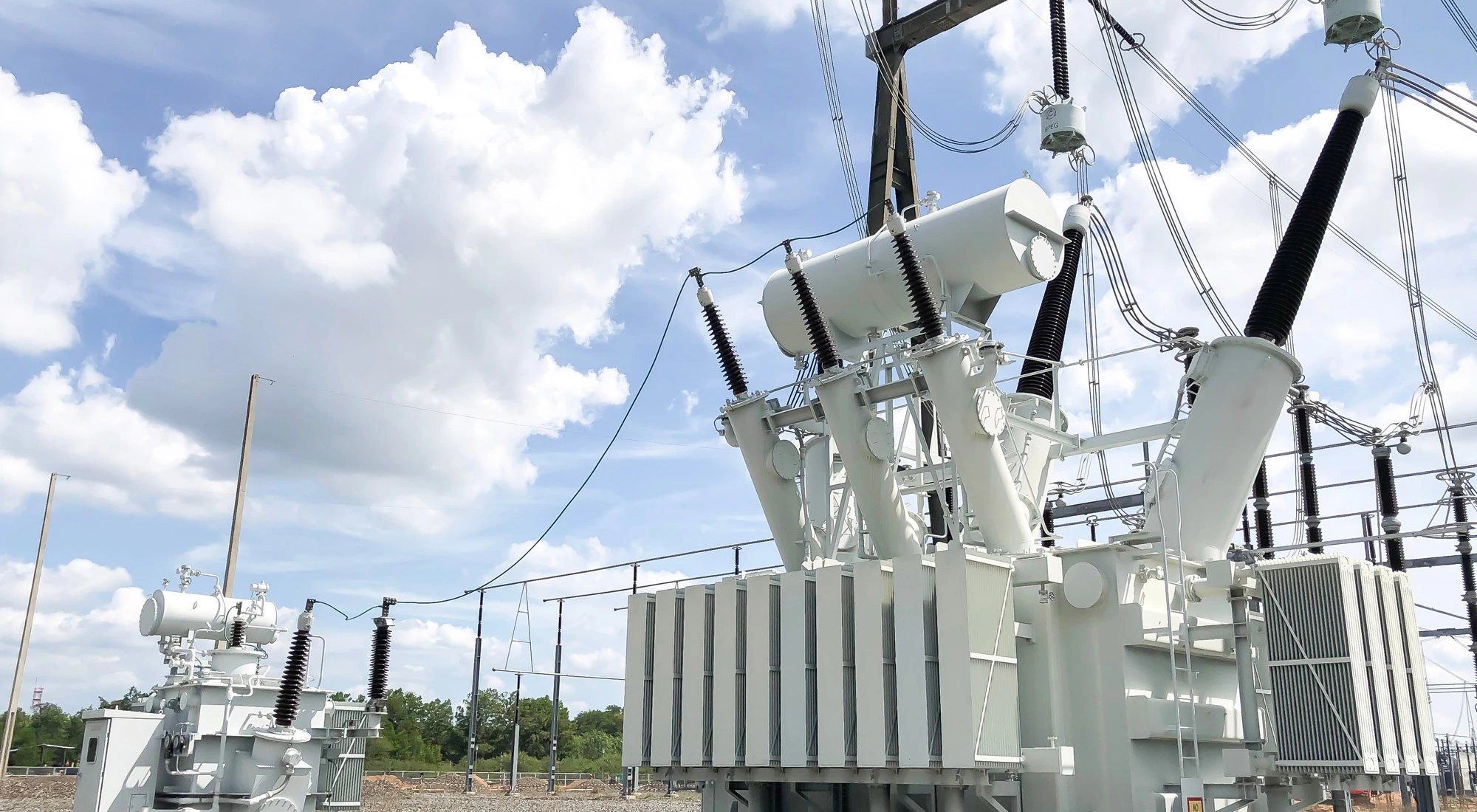
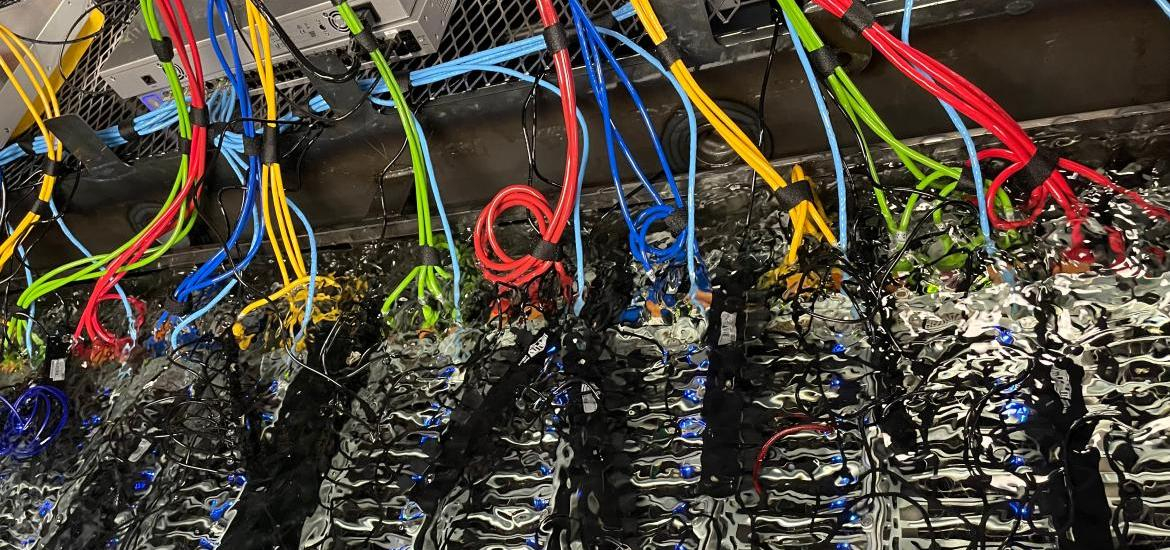
Now, a thermal management technique borrowed from the power transformer industry is being applied to data centers: immersion cooling, a cutting-edge method that submerges electrical hardware in a nonconductive heat transfer fluid. These specialty coolants can be about 1,600 times more efficient at the absorption and transfer of heat than air is. While immersion cooling has been used in electrical transformers for over a century, its application in electronics cooling has recently surged, fueled by the boom in data centers catering to artificial intelligence (AI), cryptocurrency mining and graphics rendering.
A key step in the growth and acceptance of immersion cooling technology is the development of standards for safety and performance of the coolant fluids themselves. Safety standards developed for transformer fluids and hydraulic oils have been evaluated, but are not suitable for application to electronics cooling.
UL Solutions is addressing this challenge with its new outline of investigation and certification program for immersion cooling fluids that are used with information technology equipment. UL 2417, the Outline of Investigation for Immersion Cooling Fluids for Use with Information and Communication Technology Equipment, is a comprehensive outline that assesses key flammability and performance characteristics of coolant fluids. Certification to UL 2417 not only streamlines compliance with safety requirements but also aids equipment manufacturers in selecting the right fluids, significantly speeding up time to market.
I had a chance to discuss the development and adoption of UL 2417 with Dejan Gakovic, business development manager in the Consumer, Medical and Information Technologies group at UL Solutions.
Computing and telecommunications devices have become too power-dense to be cooled with traditional air-chilling methods. “The most critical part of the system is the fluid,” said Gakovic. “UL 2417 addresses the need for safety guidelines for the immersion cooling industry, and will help equipment manufacturers, asset owners and insurance companies evaluate the cooling and flammability properties of these products.”
UL Certified immersion cooling fluids have demonstrated that they meet UL 2417 requirements. These fluids bear the UL Mark and are cataloged in the UL Product iQ® database under the Category Code Number (CCN): NCOZ. This feature helps cooling system manufacturers choose compliant fluids more efficiently for their products.
“As immersion cooling technology is adopted by more products and industries, UL Solutions will continue to address critical safety challenges and help enable innovation in advanced cooling technologies,” Gakovic told me.
Personally, I know from my experience in the transformer industry that safety standards such as UL 2417 will promote the use of immersion cooling in applications where its adoption has been slow due to uncertainty around requirements. As the technology matures, it will be adopted by a wider variety of product manufacturers as a more efficient means of thermal management.
With these developments, we can look forward to advances in electronics design, with more powerful electronics in smaller packages, using less water and less energy to stay cool. Dr. David Sundin is Chief Scientist at Engineered Fluids, Inc. Active in influencing standards for transformer fluids for over 40 years, Dr. Sundin focuses on expanding the application of Immersion Cooling to a wider variety of electrical components and equipment. This article was originally published in the June 2025 issue of the Transformer Technology magazine, which you can access here.
To download the PDF version of this article, click here.
This article was originally published in the June 2025 issue of the Innovations in Design, Manufacturing & Supply Chain magazine.
View Magazine